
Domestic Intelligence
Exploring the Craft of Hosting
Welcome! I’m glad you’re here.
I’m Elise Lauterbach, an artist and former college professor, who surprised herself by creating one of the most successful and beloved small short term rentals on Airbnb. In 2020, Airbnb tapped me as one of their 50 top-performing hosts and asked me to mentor new hosts for their platform. Since then, I’ve thought even more deeply about why hosting is important, how it is informed by history, and how thinking about the narrative of the guest experience can help build better businesses for hosts.
I hope Domestic Intelligence will help you cultivate a space that honors your unique vision. Whether you are welcoming guests into a short-term rental or opening your home to friends, you will find essays and insights that prioritize connection over hustle, and soul over spreadsheets.
This is hospitality design for the deliberate creator.
I hope you’ll subscribe to receive regular reflections, historical inspirations, and prose designed to help you host with purpose, depth, and your own distinct voice.
Explore the Archive here.
Airbnb Amenities Guests Actually Use (And a Few They Don't)
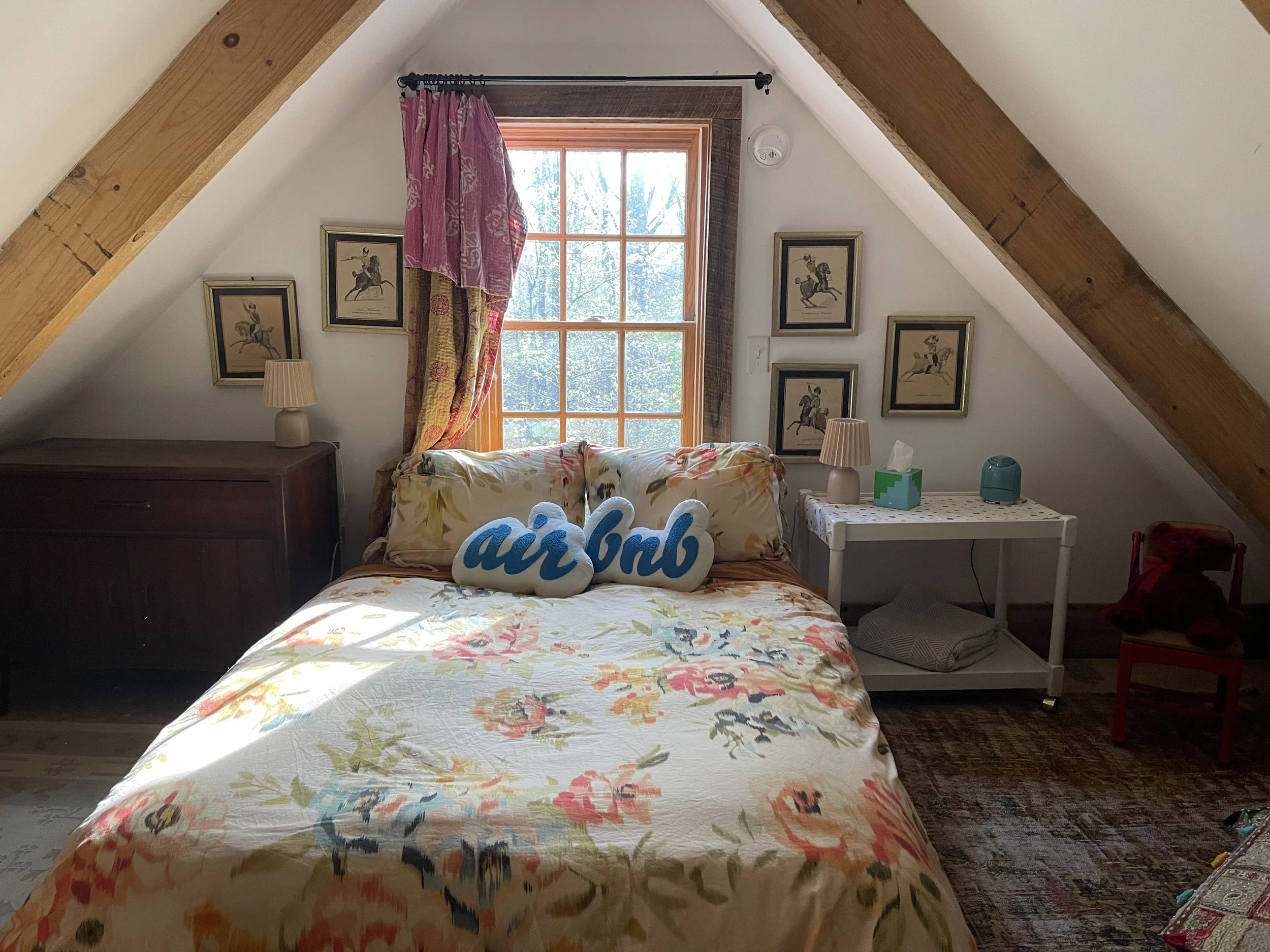
The amenities that earn five-star reviews and repeat guests are almost never the expensive ones. After thirteen years hosting in rural Virginia, here's what I've actually learned — from hammocks and coffee setups to why you should skip the neon sign.

How to get Airbnb guests to leave good review without asking
Most hosts beg for five-star reviews. After 14 years and a 4.93 rating, I've never asked. Here's what actually works — and why the ask reveals more than hosts intend.
Does my Airbnb need a Property Manager?
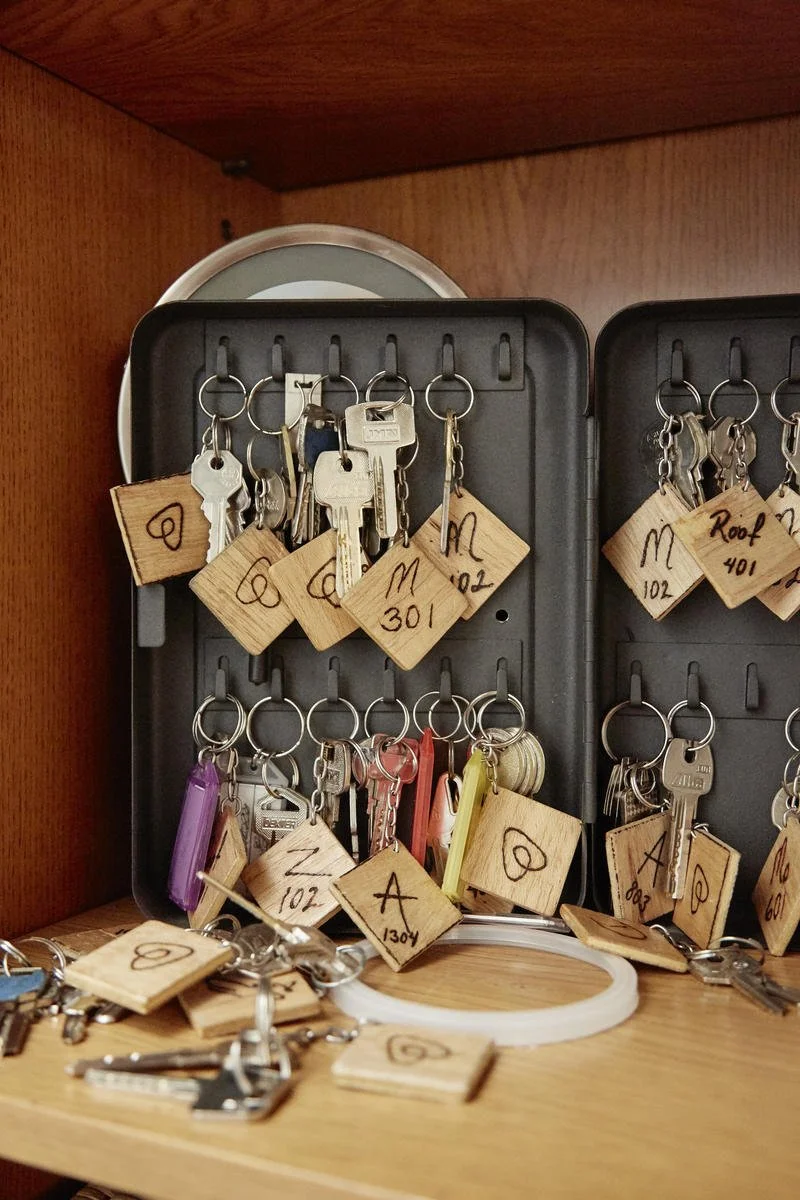
The US short-term rental market alone reached each $138 billion in 2025. That kind of growth doesn't just attract hosts — it attracts an entire industry of people who want to manage hosts. The number of property management companies grew by over 7,500 in 2024 alone, and the property management software industry has its own explosive growth curve running parallel to it. Both have a vested interest in convincing you that hosting is too complicated to do yourself.
Why a Good Property Manager Should Make It Easy to Fire Them
The major short-term rental platforms — Airbnb, VRBO, Google — were built on transparency. As an owner, you have direct access to your booking data, your guest communications, your reviews, and your revenue. The platforms designed it that way deliberately. Which means that any property manager who obscures that access, limits that visibility, or creates complexity where the platform built simplicity is doing so by choice. Opacity in this industry is never accidental.
The Summer Cottage Tradition
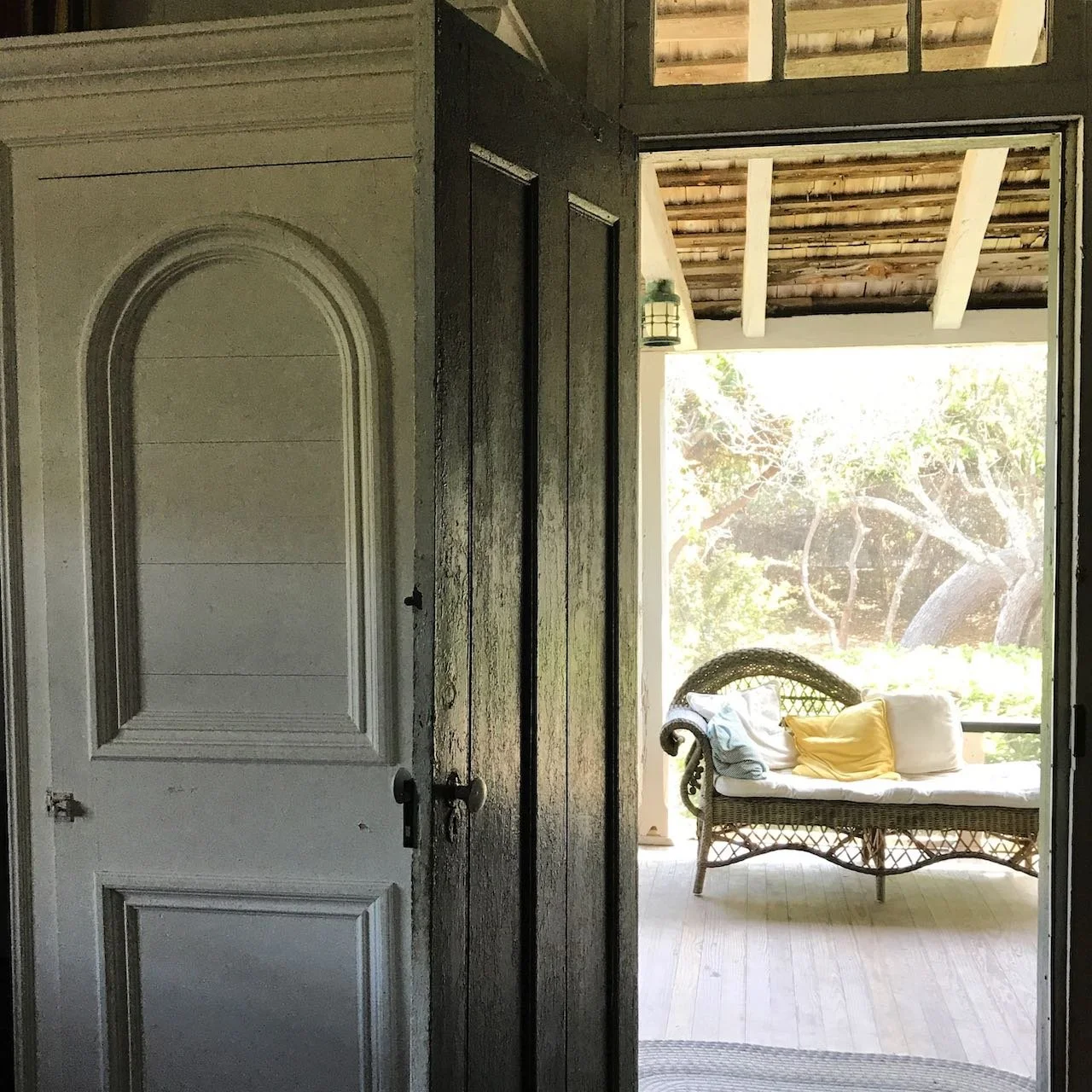
The best vacation cottage rentals don't feel designed — they feel accumulated. The Adirondack camp, the Cape Cod beach house, the English countryside letting: these seasonal rental traditions understood something the contemporary Airbnb market is still learning. Guests don't return to a rental because it has good wifi. They return because the space has a character that predates them — and because they want to be part of it again. This is the history behind the cottage aesthetic, and why it still shapes what we want from a short term rental today.
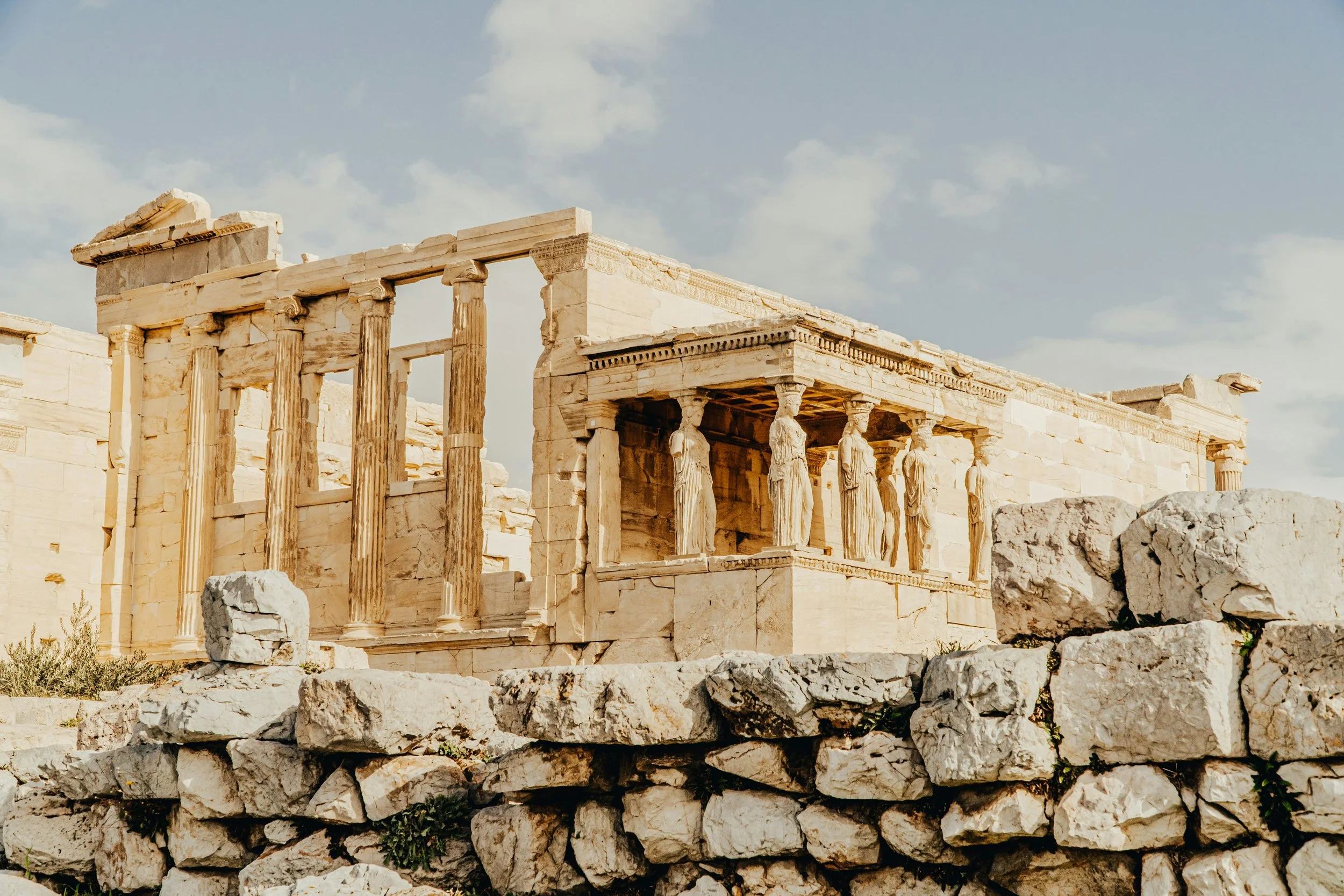
The Ancient Obligation: What Homer’s Odyssey Can Teach Airbnb Hosts About the Guest Relationship
The Greek concept of xenia — sacred obligation toward strangers — has more to teach Airbnb hosts about the guest relationship than any algorithm. An essay by Elise Lauterbach.
How I became an Airbnb host
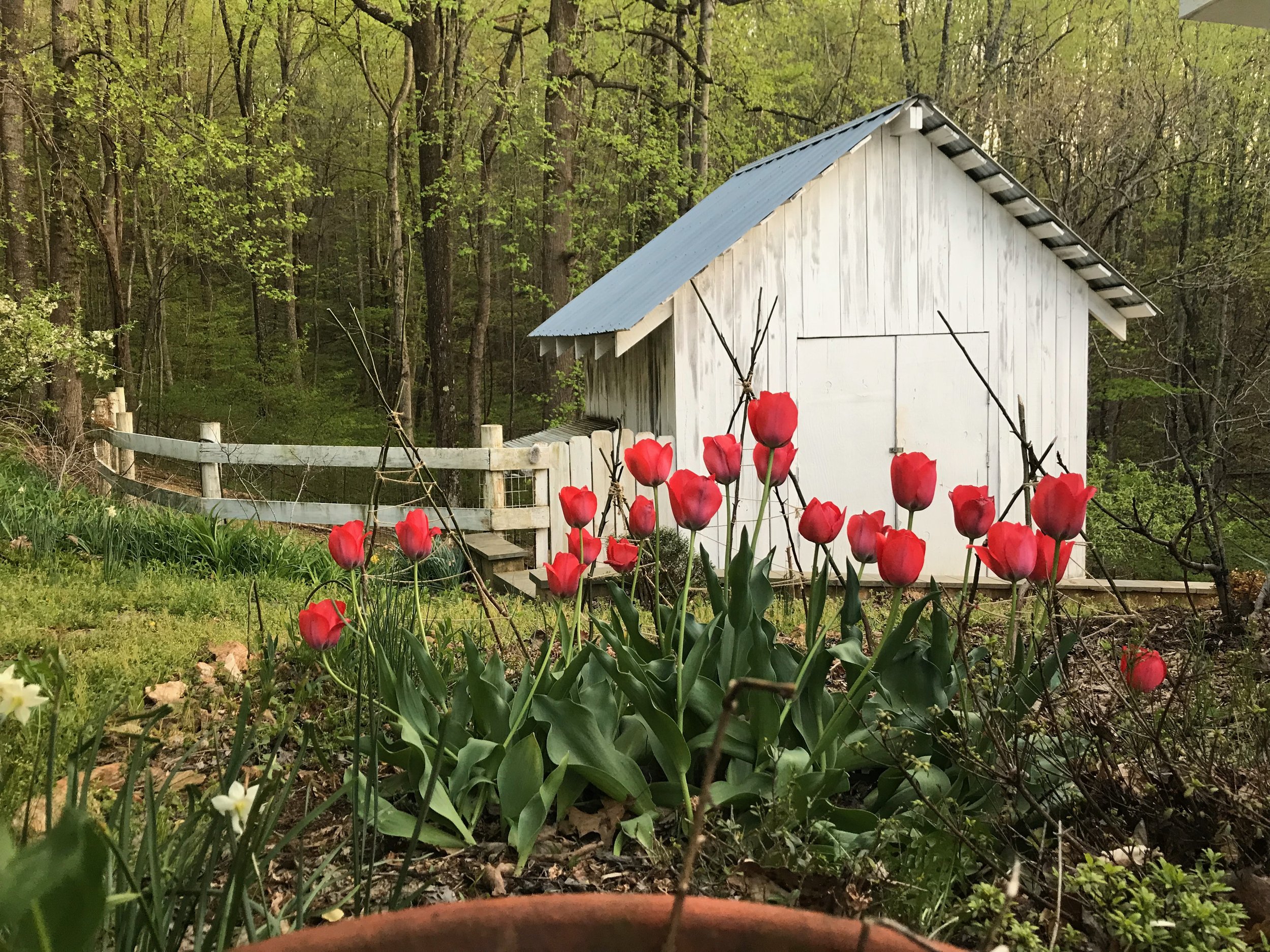
From a 1960s mobile home to a five-star mountain getaway — here's how I became an Airbnb host, and how I can help you do the same.
Why Hanging Local Art in Your Airbnb Is the Right Thing to Do
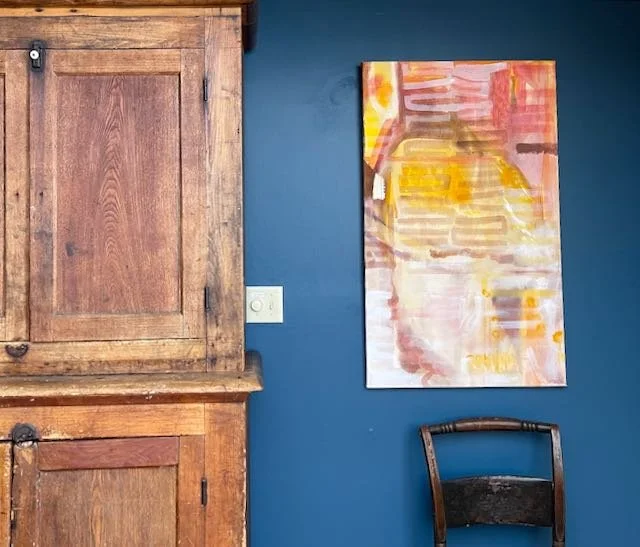
The beach painting in your rental has been in forty other rentals. Here's why local art earns its wall space back — for the guest, the artist, and the review.
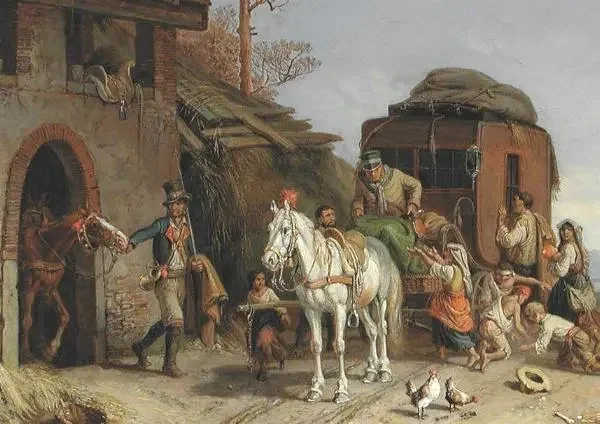
Late Check-out: A Field Guide to the 5 Types of Guests Who Will Ask for a Late Checkout & How to Respond to Each
Late checkout requests aren't all the same request. Here's how to read what five types of guests actually want, and answer accordingly, to help them have a good expereince, and to optimize your operations.
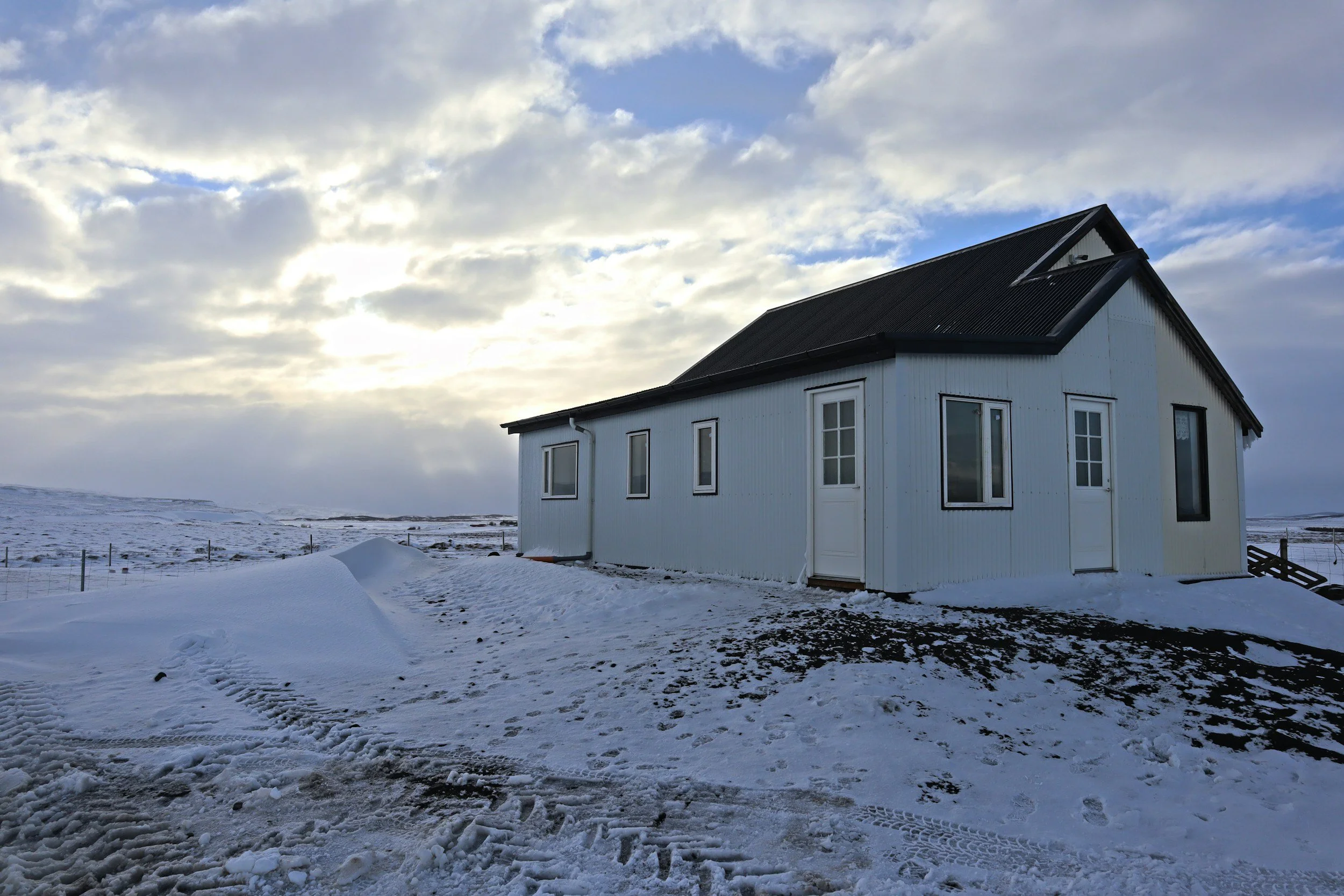
Essential Considerations When You’re Hosting in the Middle of Nowhere
A guest who books a rural property is buying a fantasy assembled from other people's photographs: the porch, the ridge line, the silence. What they are less prepared to buy is the actual distance between their bed and the nearest person who can fix anything. Bridging that distance is the whole job of the owner. Everything else is decoration.
Handling Summer Stress from Summer Guests
Summer guests arrive more brittle than October ones, and no one quite says why. A working list of techniques for staying warm, holding boundaries, and not taking the thermostat complaint personally.

The House Manual I've Been Writing for Thirteen Years
After 13 years of hosting, my house manual is the single most important thing I've built for my Airbnb — and most new hosts skip it entirely.
A great house manual isn't a checklist. It's the difference between a guest who feels lost and one who feels genuinely welcomed. It's where you share which local restaurant is actually worth the drive, which trail delivers the view, which farm stand is run by people whose values you trust. It's where your barn cats get names and your goats get feeding instructions. It's hospitality in document form — and it starts earning you five-star reviews before your guests even arrive.
If you're just starting out on Airbnb, this is the first thing you should build.

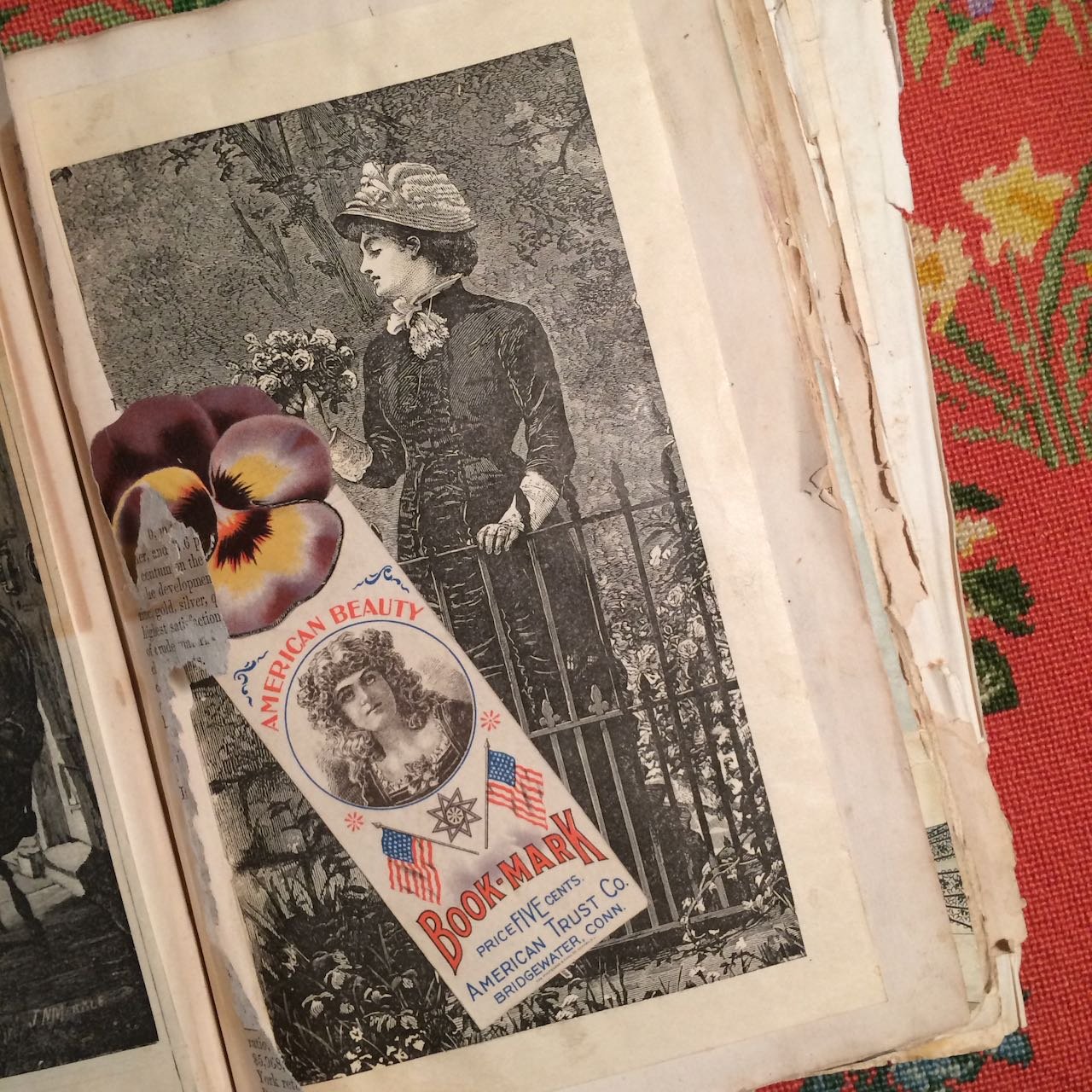
Airing the Guest Room: What Victorian Housekeeping Manuals can teach the Airbnb Host
Somewhere between the invention of the washing machine and the rise of the same-day Airbnb turnover, we lost an idea that the Victorian housekeeping manual considered so fundamental it barely needed stating: that preparing a room for a guest was not a cleaning task but a ritual, and that the difference between those two things was everything.
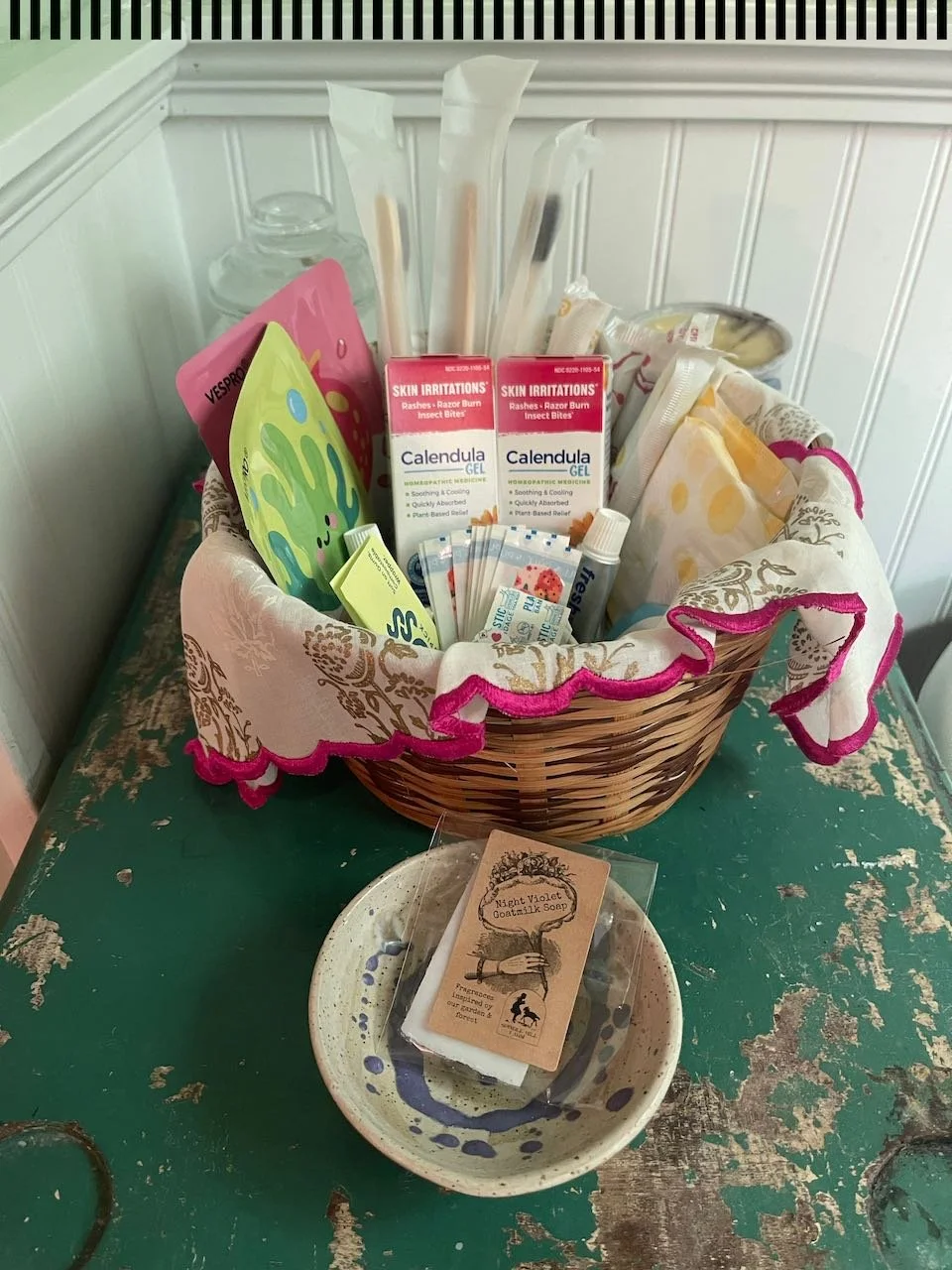
What do I put in my Airbnb?
What should you stock in your Airbnb or short term rental?
It’s fine to make it simple, but with a little thought, you can make your space shine and save money at the same time-- (and in my experience, every investment I have made in my space quickly paid for itself, and more amenities can lead to longer stays.)
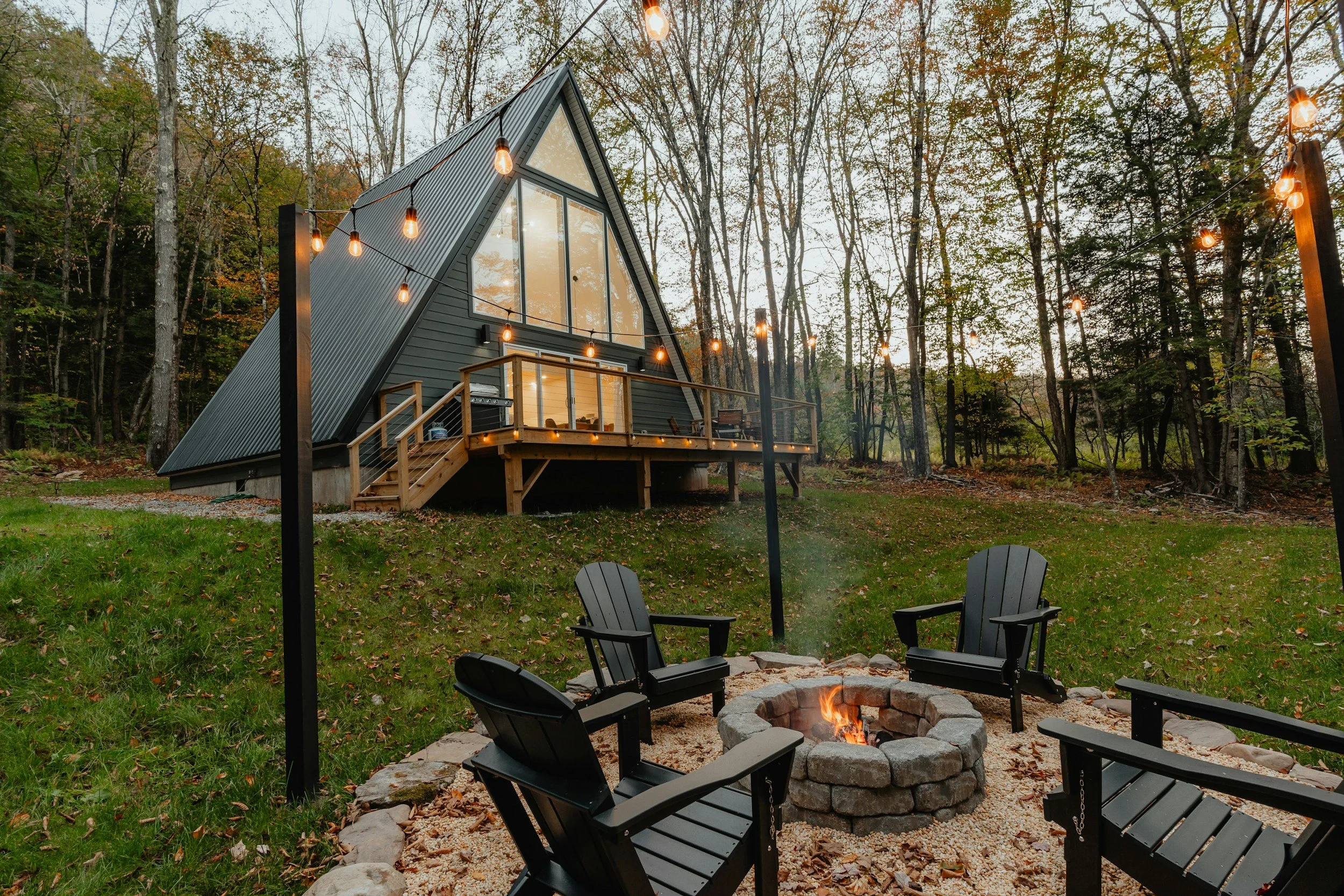
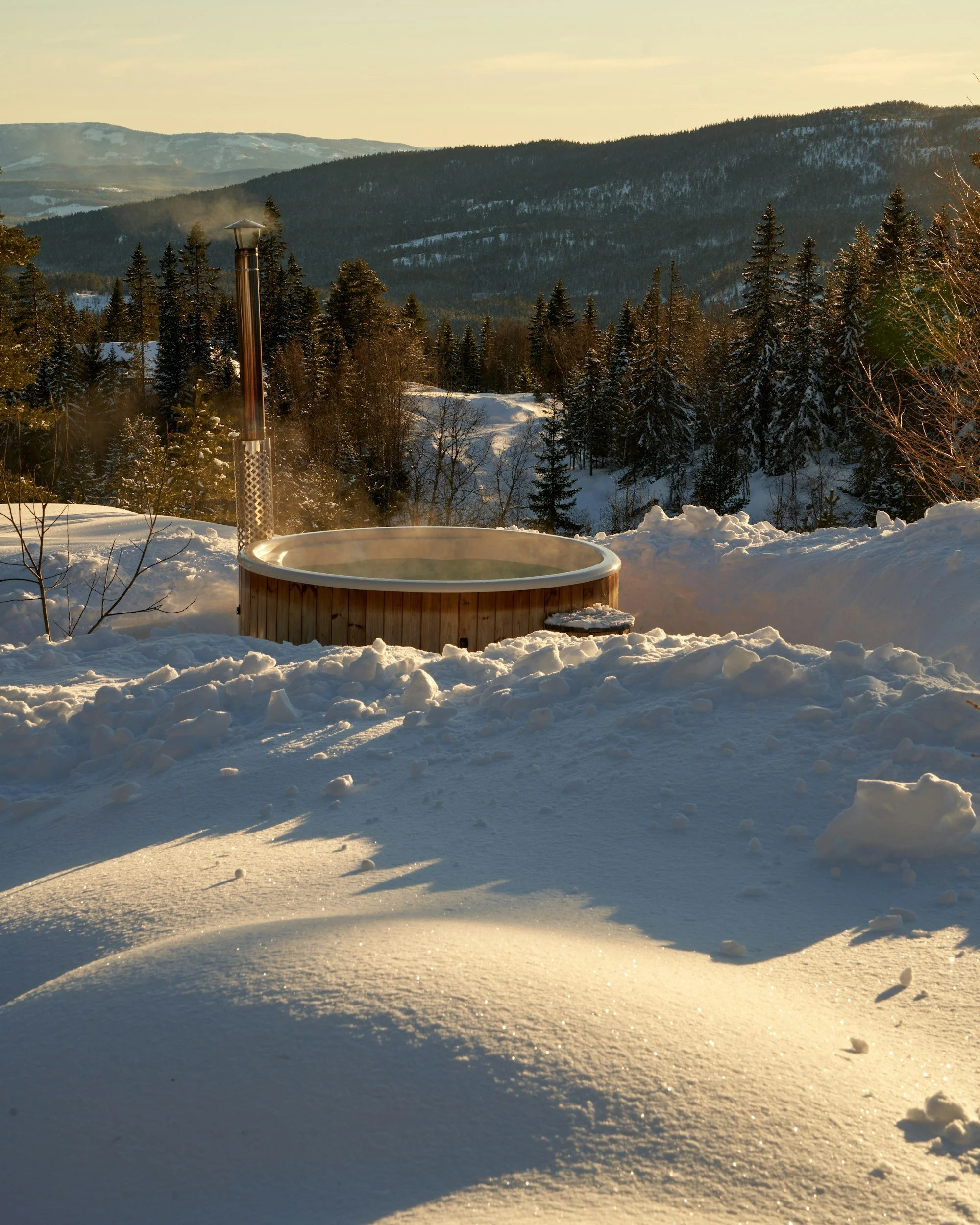
Summer Safety at the Short-Term Rental: What a Good Host Thinks Through Before the Season Starts
Summer is peak season for short-term rentals — and for the amenities that make them memorable. The fire pit. The kayak on the dock. The hot tub at dusk. These are the things guests photograph, mention in reviews, and plan evenings around. They are also the places where a host's preparation matters most.
This post is not a liability checklist. It is a guide to the particular quality of attention a good host brings to a property before summer arrives — the same care that goes into the design of a space, the tone of a house manual, the small decisions that make a guest feel genuinely looked after rather than merely warned.
The host's obligation to a guest's physical safety is older than Airbnb by several centuries. Innkeeper law has long recognized what experience teaches: guests are vulnerable in unfamiliar spaces, without local knowledge, dependent on the host's preparation and judgment. Your guests do not know that the grill runs hot, that the pool depth drops sharply, that the path to the fire pit is unlit past a certain point. You do. That asymmetry is where the host's responsibility lives.
What follows is a section-by-section guide to summer amenities — fire pits, grills, hot tubs, pools, kayaks, and more — with ready-to-use safety language you can copy directly into your house manual or house rules. Each list is written to be specific and human rather than generic and defensive, because clear instructions given in a warm voice produce actual behavior change in a way that boilerplate never does.
If you're opening your property for the season, adding a new amenity, or simply doing the annual reset that good hosting requires, this is a useful place to start.
Most hosting advice is all systems and shortcuts.
But the stays people love? They’re thoughtful, intentional, and a little bit unexpected.
Domestic Intelligence is where you’ll learn how to solve real hosting challenges with creativity—not just copy what everyone else is doing.
Hosting well is a nuanced, thoughtful, and reaffirming process, and in my blog we get into its history and its complications.
Subscribe for fresh ideas (and better stays)