The House Manual I've Been Writing for Thirteen Years
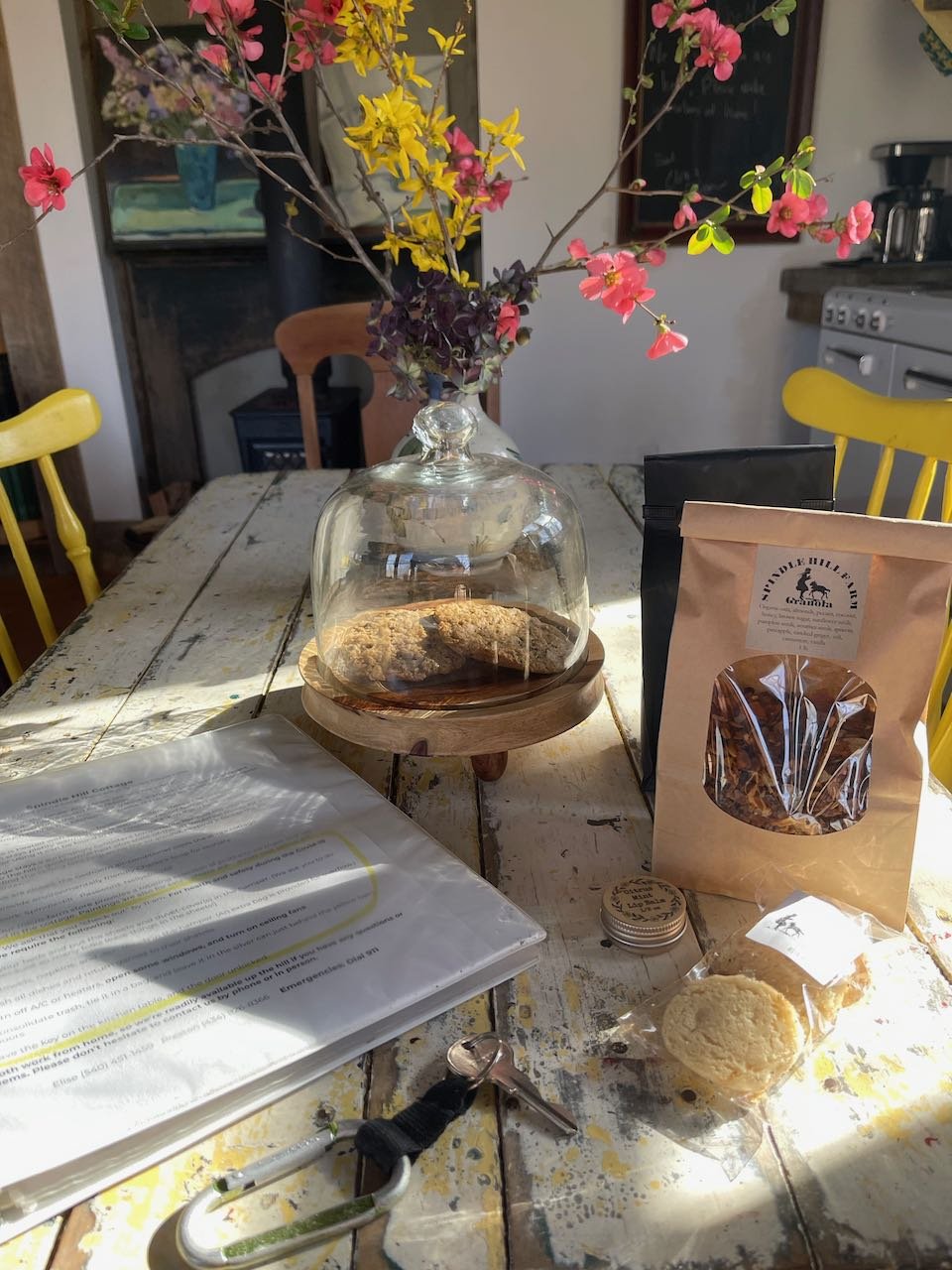
A great house manual does a lot of the heavy lifting of hosting
A few days ago when I mentioned my house manual in a Facebook group, I was a little overwhelmed by the response. Could they have a copy? Could I share it? Could I send it over?
I could, actually. I often share it with the mentees I work with through Airbnb, And now, with a few redactions — my cell number doesn't need to live on the open internet — I've made it available for download below. But before you get to the link, let me tell you why this document has been one of the most quietly important things I've built as a host, and what a good house manual actually does.
The manual has been a work in progress for thirteen years, which means it has also been a record of my own education as a host. In the first year especially, I added to it after nearly every guest. Someone asked where to have a quiet dinner: into the manual. Something about our 1948 vintage stove was unclear: into the manual. I thought about what I would take various friends to do if they visited, and those ideas went in too. The document grew as much from planning as from accumulation. It is a quiet record all the small moments where I noticed a guest needed something I hadn't yet thought to provide.
I still edit it, though more rarely now. Thirteen years of iteration has a way of anticipating most questions. But a house manual is always a living document, because our homes and our guests are always changing.
The Format
A few decisions shaped the format to keep it simple and accessible. The manual lives in a Google Doc — easy to edit on the fly when something changes (a restaurant closes, a trail gets rerouted), easy to print and slip into a binder with plastic sleeves, and easy for guests with visual impairments or visual processing disorders to read. Accessibility is not a special accommodation. It is part of designing a space genuinely available to the guests who want to stay in it.
I do NOT recommend relying on an online guidebook or drawing your information into Canva templates– simplicity is rewarded here. Allocate that money to a more tengible amenity. In the house manual, your expertise creates the value— no bells and whistles needed. And a book that looks “too” professional can actually hurt you.
The essentials live on the front page. Check-out instructions are circled in highlighter. Both choices are deliberate: guests in an unfamiliar place operate with divided attention, and critical information should require no searching. The highlighter is a small act of humanity. It signals that a person assembled this for you, and people find it harder to resent a person than a PDF.
The Methodology
Here is what I believe a house manual should do, and what most house manuals don't: give guests a real and specific picture of the place they have arrived in, not a generic orientation document. A manual should be compelling, so once a guest begins it, they finish it.
I send my guests a link to my house manual about 18 hours after they book. I warn them that it is so good they may want to book another night after reading it. I have found that this is the perfect time to send it, because the guest is excited about their trip, and willing to dig into text.
And my house manual teaches the guest how to enjoy the space and the neighborhood, by conveying my enthusiasm and love of my home, and by setting up expectations that I meet. Clear expectation lead to great reviews.
My manual has opinions. I tell people which restaurant is worth the drive and which is coasting on its reputation. I tell them which businesses in our area are welcoming to queer guests — this matters in a rural location, where some guests arrive uncertain about what they'll find. I tell them which farms and shops are run by people whose values I trust and steer business accordingly. I also tell guests, plainly, when something is expensive, which people appreciate far more than discovering it themselves at the register.
I write about the wildlife they might encounter, the local flora worth noticing, the history of our area and our property specifically. All our animals have names and personalities in the manual. There are notes on which barn cats are likely to visit the guest cottage and which prefer conducting their social lives at a greater remove. There are notes about how to feed the goats using a wide wingspan to minimize butting. There are notes about bluebirds in the woodstove, and what to do if you see a mouse.
This is not content. It is hospitality. The difference is worth insisting on.
What the manual covers:
Emergency numbers, written large on the first page.
Where to eat and drink — nuanced recommendations rather than an exhaustive list, with notes on which place is worth the drive and which is living off an old reputation.
Where to hike: which trails justify the effort, and which are effortless and lovely.
Shopping, with notes on eccentric hours and what makes each place worth the detour.
Agritourism, because we are in farm country and the farms here are genuinely interesting and create the texture of our community..
Art — local artists and craftspeople who rely on patrons to keep going, like me!
Historical tourism, I host in Virginia, where history drives tourism, and everyone needs to understand history so we aren’t doomed to repeat it. It’s also one of our family buisnesses.
Traveling with children and traveling with pets — families and dog owners are solving different problems.
Great day trips and driving loops, for guests who want to range further. I LOVE beautiful drives– its one of the reasons I l moved here.
The history of the community and the area, even the sad parts.
Local wildlife and flora, because attention improves almost every experience.
The farm's history and philosophy, and all the animals — named, described, annotated with notes on individual personalities and territorial preferences. (I didn’t include the history in this document, because it is long, and you may not care, but I care, and I teach my guests to care!
The download is here.
It is lightly redacted but otherwise reflects what we actually hand our guests. If it's useful, if it sparks something about your own space, that's what it's for.
And if you want to think through how to build something like this for your own property — how to determine what belongs in it, how to write about your place in a voice genuinely yours — that is exactly the work I do with hosting clients. The free intro call is a good place to start.
Writing a manual is not a chore. It is where hosting begins, and it's where you craft in words the kind of host you are. The house manual is an unmissable opportunity to lean into the personal and human part of hospitality.