Handling Summer Stress from Summer Guests
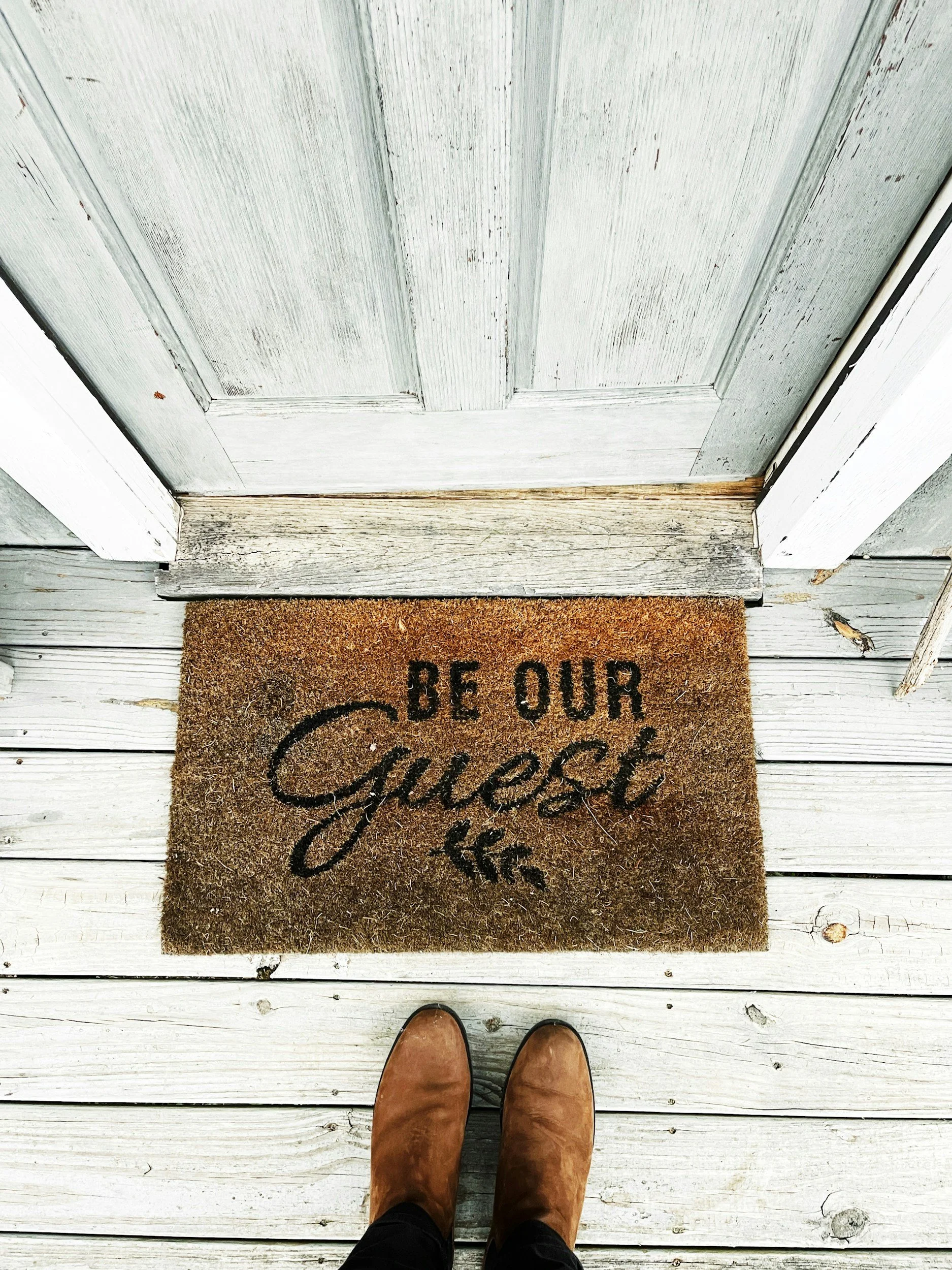
Summer guests have an energy all their own. As hosts, we have to try not to step into it.
It's summer, and for many hosts, that means we've entered the most stressful stretch of the calendar. Summer brings heat, insects, and lots of expectations from guests who have been dreaming of escaping the grind to a perfectly relaxing experience.
Since we’re human, “perfect'“ is rarely possible, but for some reason, summer gusts just seem to be more on-edge and less flexible than guests visiting in the crisp, cool, and calming fall.
Hosting requires a specific kind of communication finesse, which is learned through experience and tested constantly. You must be helpful without being intrusive, informative without being condescending, and friendly without being weird. Summer is a good time to revisit the techniques that make this possible, because summer is when they get used.
The Crying Baby Technique, and Other Summer Survival Tools.
One of mine: when a guest is being difficult, I picture them as a crying baby who wasn't picked up enough.
This isn’t meant to be an insult — it’s a diagnosis that gets me to a kinder headspace.
And the baby might not be crying because the room is the wrong temperature. The baby is crying because no one has reassured it that its needs matter and someone is in charge. Adults on vacation regress to something close to this state with startling reliability, and once you see it, you stop taking the complaint about the thermostat personally and start responding to the actual request underneath it, which is usually just: tell me this is being handled.
Today was one of those days for me, so here is the list I've been assembling, partly for you and partly to talk myself down.
Answer the feeling before you answer the question
The 11pm message about pool hours is rarely about pool hours. It’s an ask if anyone is paying attention. Answer the literal question and you'll have technically responded and completely missed the point. Answer the feeling first with an acknowledgment that you're on it, that they're not shouting into a void, and the actual question may become easy, even incidental, to resolve.
(These types of questions tend to disappear when you’re implemented a robust welcome message sequence. Be sure to download my messaging templates if you don’t have a sequence mapped out yet.)
Say the hard thing in the fewest words available
Hosts tend to over-explain when delivering unwelcome news, as if enough context might dissolve a boundary. It doesn't. Extra sentences read as apology, and apology reads as negotiable. If the answer is no early check-in, say so cleanly, offer the real alternative, and stop talking. A word soup boundary sound like a boundary you're hoping someone will argue you out of. Boundaries are real. End of story.
Don’t forget the very technical skill of delivering a “shit-sandwich”: Surround the disappointing new with some happy things. One I deliver regularly:
Bun: [I am so excited you are celebrating Bubba’s Birthday! I’ll leave some flowers!]
Meat: {No you can’t tape decorations on the freshly painted walls and burn an grotesque effigy on the lawn]
Bun: [Here is a link to a local bakery who makes a killer birthday cake.]
Write the message you'd want to receive from a stranger
Before sending anything terse, reread it as though you'd never met yourself. Summer heat shortens tempers and message drafts alike, and a reply composed at 6:45 pm after your fourth difficult exchange of the day when you’d much rather keep watching Gilmore Girls with your 13 year old often needs one more pass before it goes out. Don’t let exhaustion write your correspondence for you: Read it aloud to a friend if your blood was boiling when you wrote it. And finesse it with that warm hospitality that led you to start hosting in the first place— it’s still there, somewhere.
Let the space answer some of the questions
Every message you don't have to send is a message you didn't have to carefully word while irritated. A clear house manual, a note by the thermostat, a laminated card explaining the temperamental shower deliver the same information without any of the tone risk. The best design decisions are the ones that make you replaceable in exactly the moments you'd rather not be needed. I can’t emphasize enough the work a solid house manual does. Craft it right, and preserve your sanity.
Decide in advance what you will not do
The guest who wants an exception made — early check-in, a refund for weather, a extra guest not on the reservation — often ask you when you're least prepared to think clearly. Decide your positions before the season starts, not during the negotiation. A rule you invented on the spot is a rule you'll be talked out of. A rule you already had is just a rule.
Remember that most of this isn't about you
The guest who is short with you about the WiFi password is not communicating a verdict on your character. They are hot, they've been driving for six hours, and the WiFi password a variable in their day they believe they can control. I don’t want you (me) to be a doormat, but also, stop rehearsing the exchange in your (my) head at midnight as though it meant something it didn't. I got into this business because I love making people happy, and I’m good at that. I learned that I have to work harder at keeping myself happy while doing it.
None of this makes summer guests less demanding, but it does make you less available for the parts of their psyche are not about you. Take that as license to be brief, be kind, and go back to whatever you were doing before your phone buzzed.
And remember that you don’t have to host alone— If you need to spitball ideas about how to handle a situation, especially one that keep reoccuring, holler. A one-on-one mentoring session with me is talk therapy for your buisness. I promise, talking helps. Happy Summer?
Warmly,
Elise