Essential Considerations When You’re Hosting in the Middle of Nowhere
Remote properties look splendid in photos, can become destination in themselves, and are the perfect locations for some special introverts (me, waving!) But the purchaser who buys a remote property with dreams of turning it into a short term rental has far more to consider than the typical urban host.
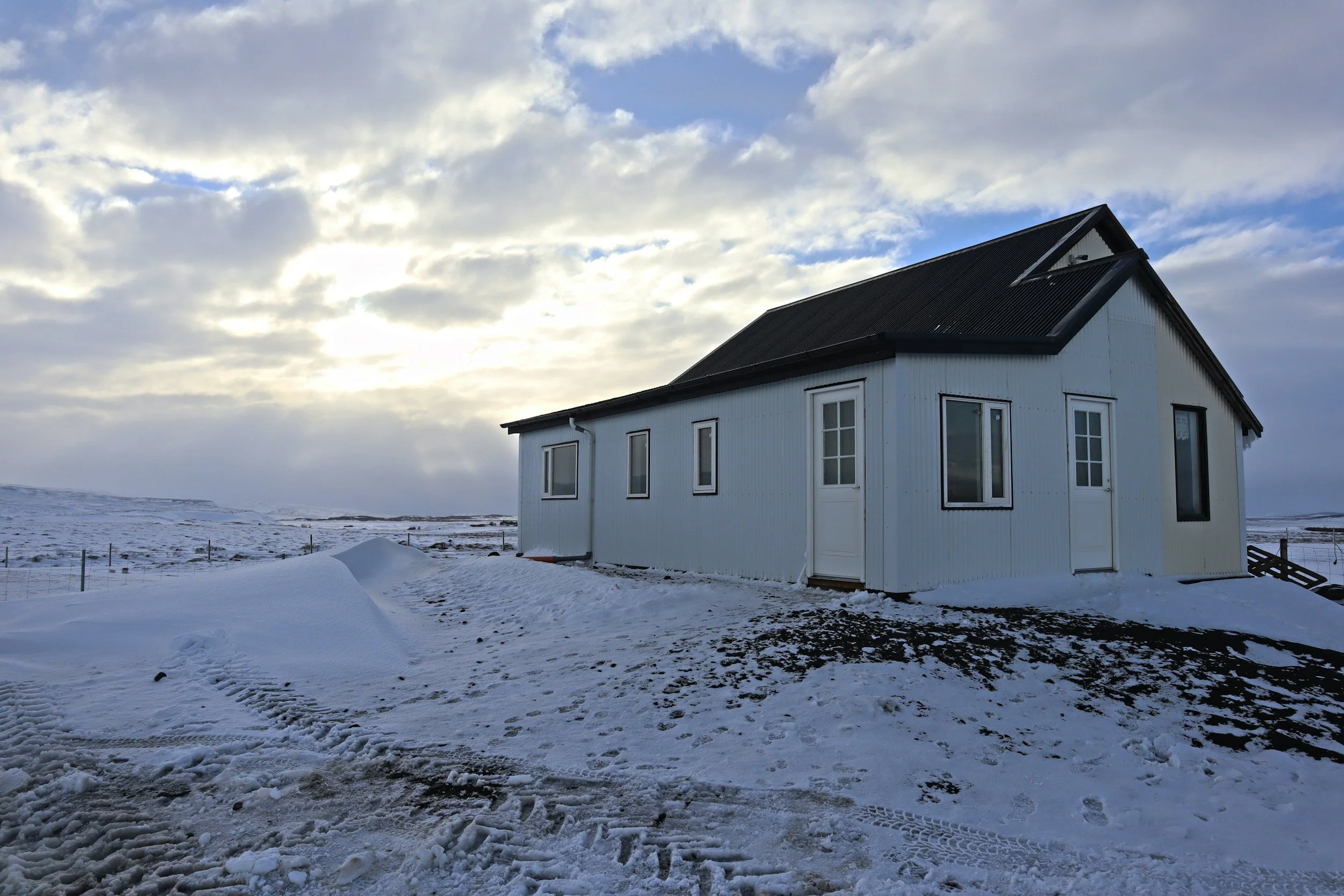
Nowhere sounds like a good destination, until you need a plumber.
A guest who books a rural property is buying a fantasy assembled from other people's photographs: the porch, the ridge line, the silence. What they are less prepared to buy is the actual distance between their bed and the nearest person who can fix anything. Bridging that distance is the whole job of the owner. Everything else is decoration.
Complication #1: Vendors don't exist in the density urban hosts assume.
A city host loses a cleaner on a Saturday morning and finds a replacement on an app before lunch. A rural host loses a cleaner on a Saturday morning and rushes down to cleaning the house herself, because the next available cleaner is forty minutes away and already booked. The same is true of plumbers, of the person who knows how to unfreeze the well pump, and of anyone qualified to look at a HVAC system built before certain regulations existed. Redundancy has to be built in advance, not improvised in a crisis. Keep two cleaners on retainer, not one. Pay a maintenance person paid a small annual sum for the privilege of being first on his list, not last. Befriend your nearest neighbor and make sure they have all the keys, understand the systems, and know where the bodies are buried.
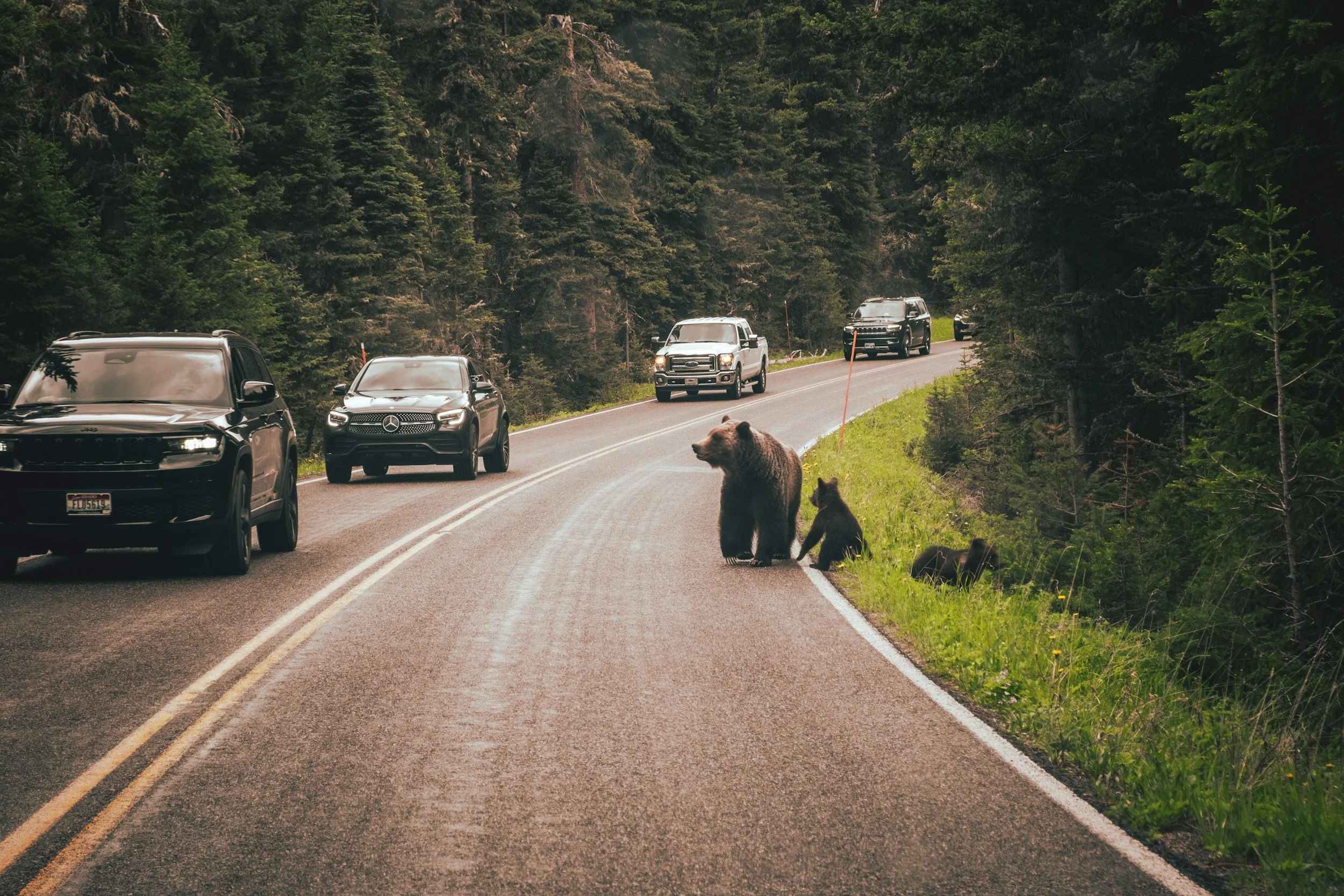
Everyone wants to see a bear, but not inside their car.
Complication #2: Wildlife is not just ambiance.
Guests want to hear about bears the way they want to hear about ghosts — as folklore, atmospheric, safely distant. Then a bear gets into an unsecured cooler on the porch, and the folklore becomes a call to the county and a conversation about liability. Guests need real instruction, not a cute laminated sign with a cartoon bear on it: how trash is stored, what stays inside, what happens if one is sighted. The same goes for insects, which rural guests treat as an affront rather than a fact of the region — the wasp nest under the eave, the ticks in tall grass, the moths drawn to every porch light in July. None of this is a design failure on the host's part. It requires explaining, repeatedly, to people who have never needed to think about it, because their previous rentals didn't require it either.
This is where a great House Manual does your heavy lifting. Great communication is how we manage wildlife.
Complication #3: None of this can be managed from three hundred miles away.

You need someone with tools who is on the ground.
Remote hosting works in a city, where a locksmith, a cleaner, and a handyman are each twenty minutes from the property and from each other. It does not work in the country, where the host who tries to run things from a laptop discovers, usually during an actual emergency, that a phone call cannot fix a burst pipe.
Rural hosting requires a person on the ground — a co-host with a truck, a tool belt, and the kind of unbothered competence that treats a Tuesday-night septic problem as a normal Tuesday rather than as a catastrophe.
Rural hosting can feel like a full-contact sport— and it is. Preparation makes difference between a property that runs and one that generates five-star reviews about the view and one-star reviews about the response time. Typically, I advise hosts that I mentor to try self-management before contracting with outside help. But if I’m working with an owner of a remote property, I strongly suggesting working with a local co-host, so you’ll have help on the ground that is fully competent to help with all aspects of hosting, especially communication, education, and amelioration. This is not optional infrastructure.
Complication #4: Guests arrive with a checklist built for a different kind of building.
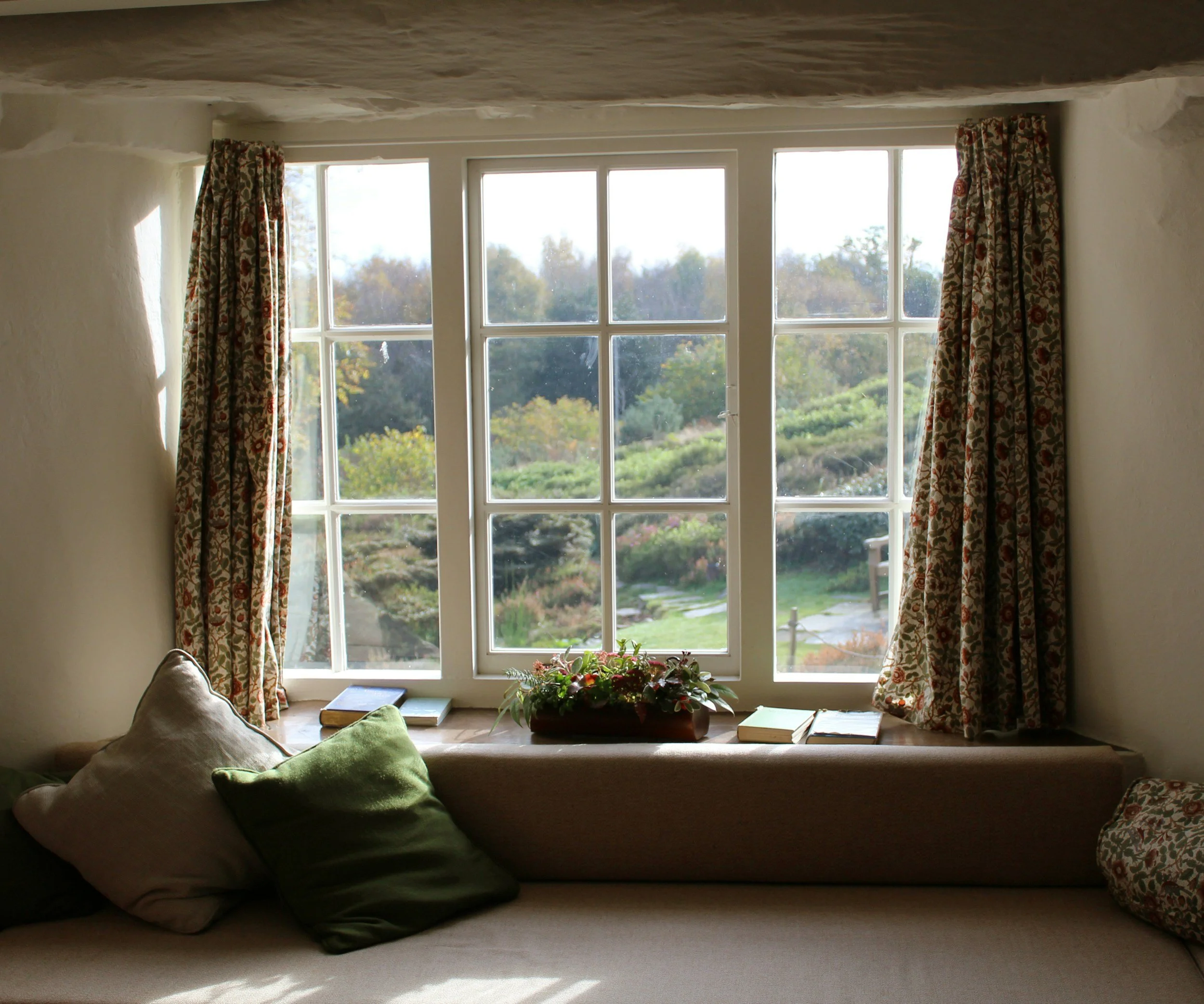
Every home doesn’t need to be the same— communicate what yours is like to set clear expectations.
Urban guests expect a deadbolt with a keypad, a security camera at the entrance, blackout curtains dense enough to survive a city's ambient light at 2 a.m. None of this is wrong, exactly, but it is an unnecessary import. A rural property surrounded by trees and a two-mile gravel driveway does not have the light pollution that makes blackout curtains necessary, and a house with no foot traffic for a mile in either direction does not carry the same theft risk as a third-floor unit in a dense block. Explaining this without sounding defensive is its own skill. The guest isn't wrong to expect what they expect. They've just never stayed anywhere where the threat model is different, and someone has to tell them that, gently, before they lie awake convinced the absence of a keypad means the house is unsafe.
Complication #5: Fire safety runs the same way, in reverse.
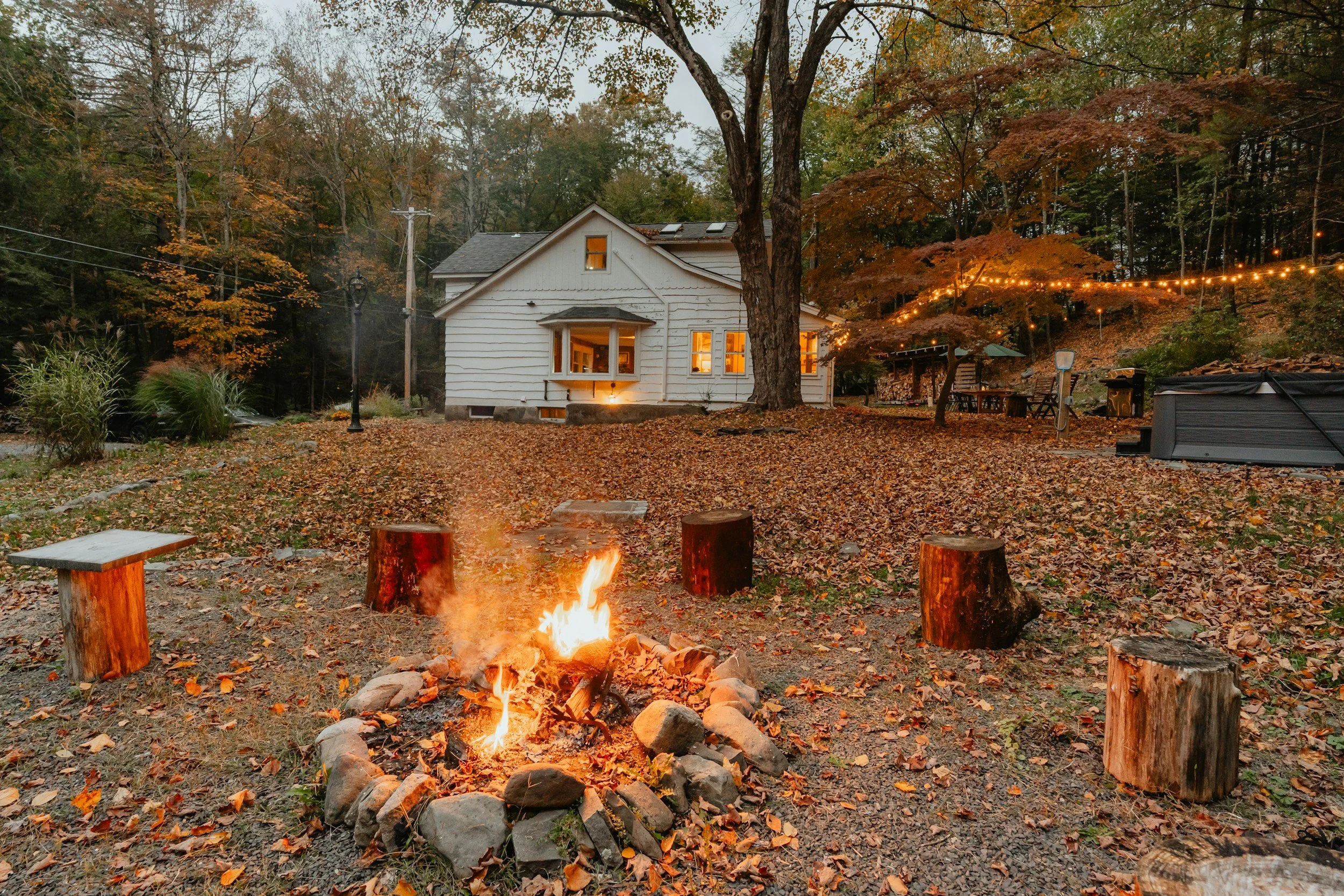
They’re not born knowing how to tend a fire. They’ve got to be taught.
A host who grew up rural understands, almost without being taught, what a controlled burn looks like from two ridges over, why a wood stove needs clearance, why a grill goes on gravel and not the wooden deck. A guest who grew up urban has never had to think about any of it, because a city apartment doesn't burn the way a dry field does in August. This gap doesn't announce itself until the week someone starts a fire pit too close to the treeline during a burn ban nobody told them about. The instruction has to be explicit, and it has to be delivered before arrival, not discovered afterward in an incident report.
Complication #6: Medical Emergencies & Messaging
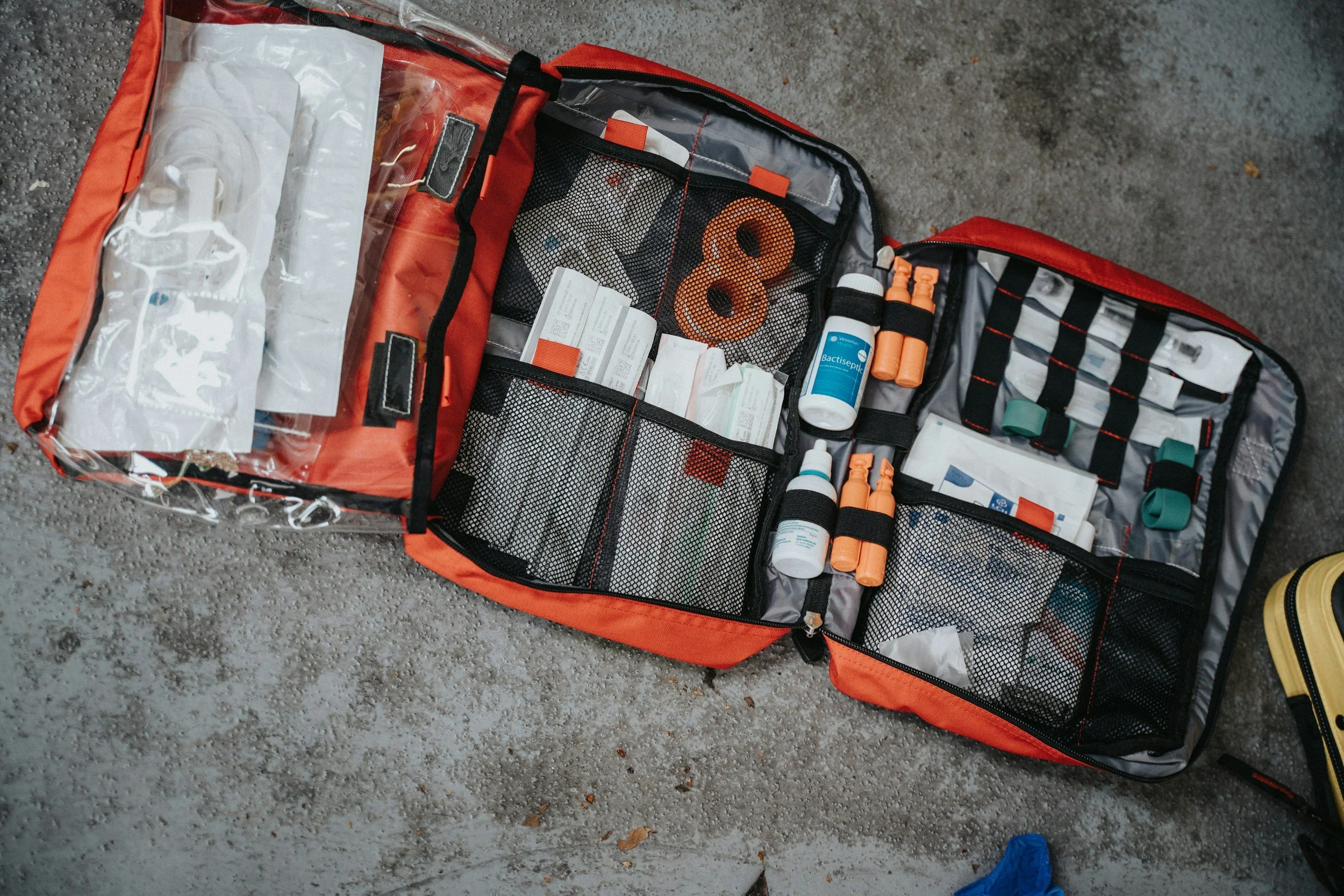
A first -aid kit is a hosting must, but your medical messaging matters too.
The house manual's first page should be a medical emergency sheet. List local urgent care clinics, doctors, and dentists with their actual hours — not "open weekdays," but "Mon–Fri 8–5, Sat 9–1." Put "CALL 911" at the top in text large enough to read across a room, before any other instruction. Guests panic; panic doesn't scan fine print.
Let guests know where they can purchase basic medical items. And include as much as you can in the listing itself— rural hosts don’t need to be stingy with the bandaids or the bug spray. Sunscreen can prevent a trip to the pharmacy. An Epi-pen can save a life.
A page on local hazards earns its place too. Rural guests come from cities where the worst outdoor threat is a wasp. Tell them what's actually out there: which snakes are venomous and what they look like, ticks and the local risk of Lyme, and how to spot poison ivy before someone uses it as toilet paper on a hike. A guest who can identify a copperhead calmly is safer than one who panics at a garter snake — and a lot safer than one who never looked at either.
Complication #7: Weather is the leading lady, not a background character
Weather shapes a rural stay in ways it never touches a city one. A guest booking a downtown apartment barely checks the forecast — restaurants, museums, and shops sit indoors, a subway ride apart. A guest booking a farmhouse or mountain cabin is booking the outdoors itself: the hike, the lake, the stargazing, the fire pit. Rain doesn't inconvenience that trip — it reshapes it. Rural hosts carry weather risk that urban hosts simply don't, which means the good ones build in contingencies their city counterparts never have to think about: a stocked game closet for washed-out days, clear cancellation policies tied to conditions, road advice for hosts whose driveways turn to mud after a storm. The forecast isn't background noise for a rural listing. It's part of the product.
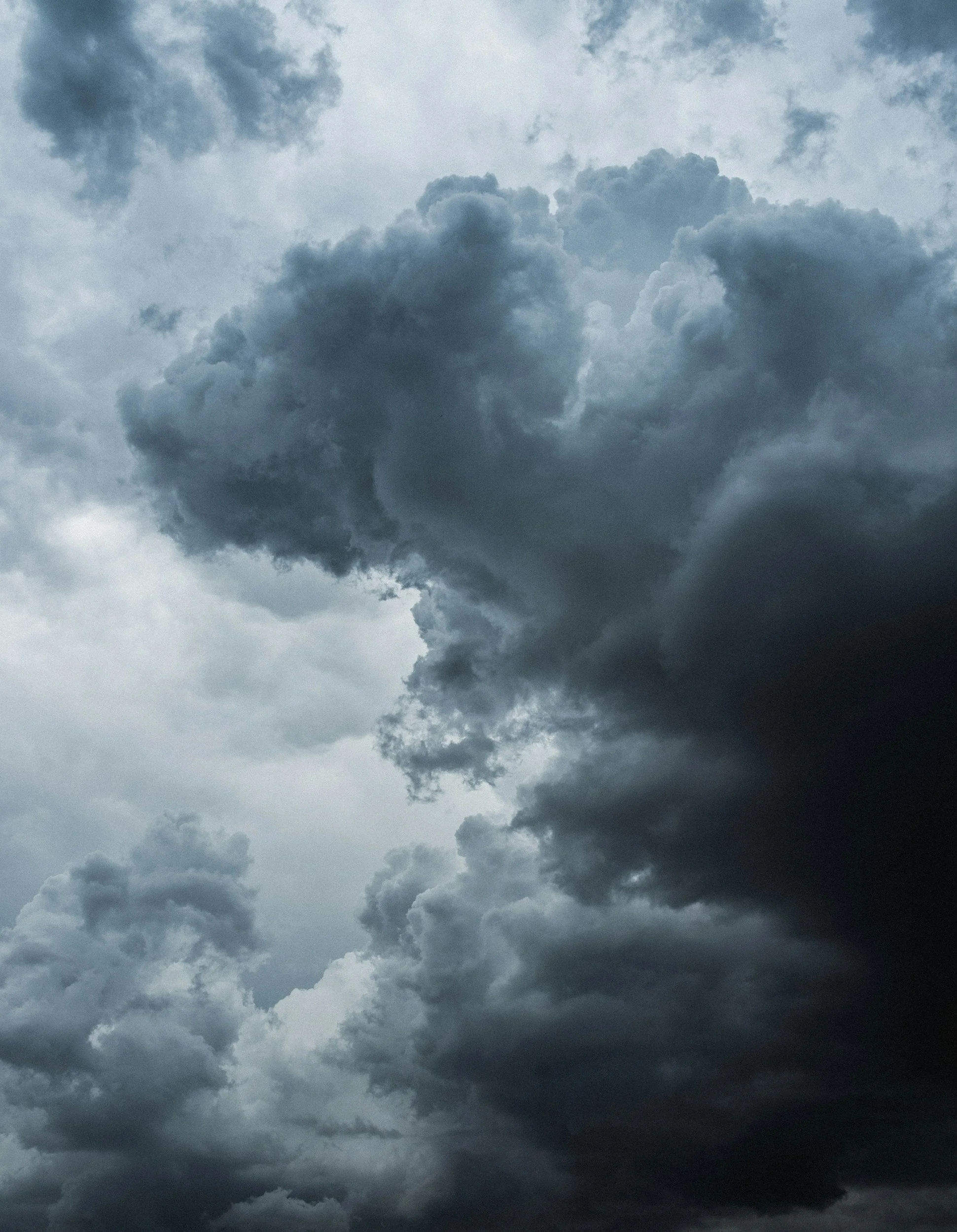
Hosts can’t control the weather, but we can understand it, and help plan contigencies.
If you host in an area with severe winter weather, hurricanes, tornadoes, monsoons, or tsunamis, you need to also consider emergency weather preparation. Your guests may never have driven in the snow before— be vigilant about monitoring conditions, and keeping the guests aware of the dangers, and cancellation, if necessary. (See How To Cancel a Airbnb Reservation Without Penalty in Bad Weather for more information). A rural guest caught in a flash flood or power outage may be an hour from the nearest working outlet or working sense. Hosts owe guests the basics before they ever need them: a flashlight and battery radio in a known spot, the nearest hospital's actual distance (not the GPS estimate), instructions for the well pump or generator, and a clear answer to "what do we do if the road floods." This makes the difference between a guest who feels stranded and one who feels handled.
Don’t despair!
None of this is a case against rural hosting. It's a case against doing it the way an urban host would, on the assumption that geography is a backdrop rather than a set of operating conditions. The hosts who do this well aren't the ones with the best view. They're the ones who built the redundancy, hired the person with the tool belt, and wrote the guest instructions that a city listing would never need — before the bear got into the cooler, not after.
If you need help crafting effective messaging for your guests, please get in touch. Communication is my superpower, and it prevents most of the guest drama from ever happening.