Airbnb Outdoor Styling: Or, Why Vintage Furniture Beats Big Box Every Time
Look, I didn't abandon a dissertation on the 1718 French Prophet’s pentecostal theatrics to become some basic Pinterest board come to life. But here we are, and I'm about to tell you how to make your Airbnb's outdoor space actually worth the "outdoor seating area" checkbox you're ticking in your listing.
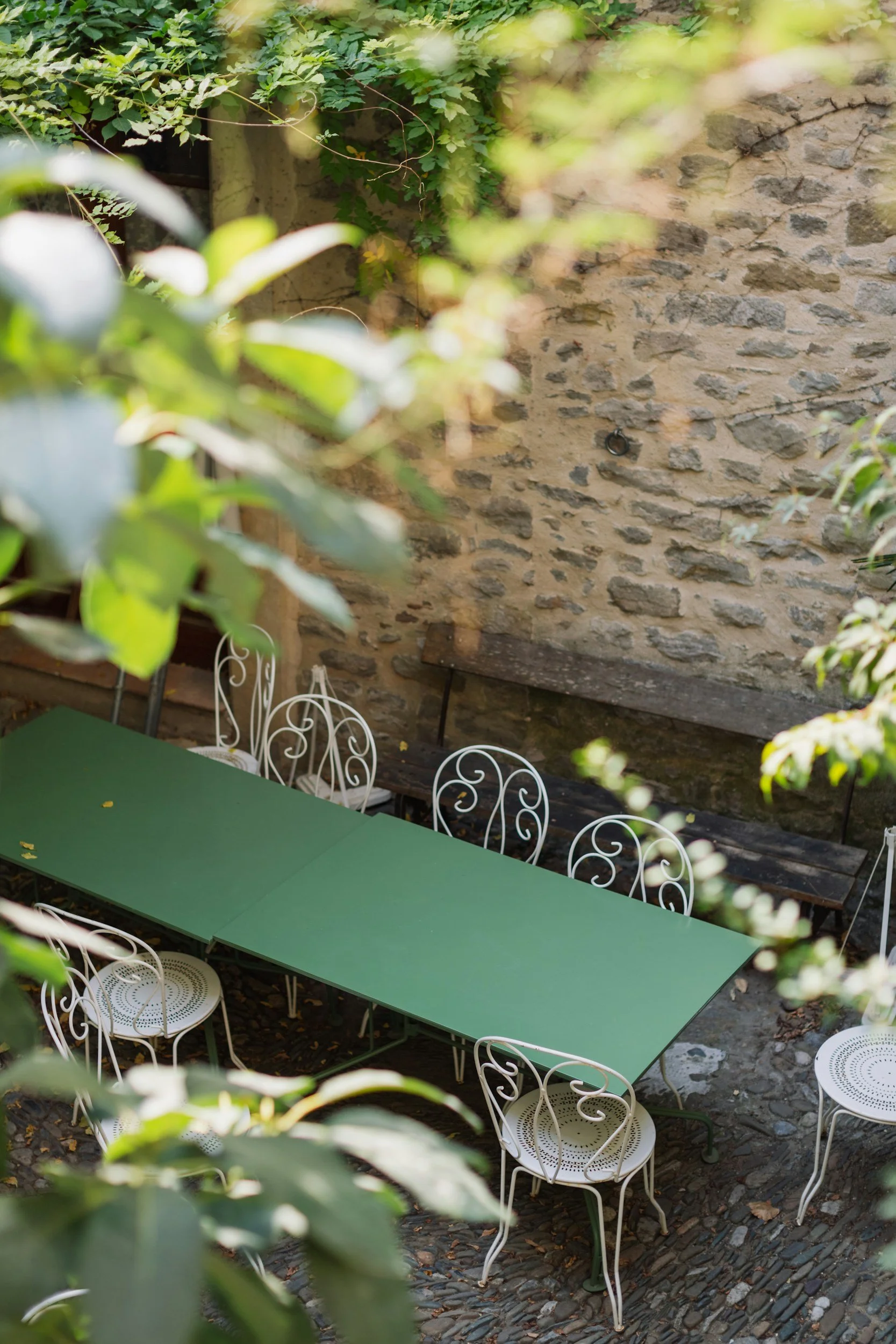
Furniture with character makes small spaces memorable.
The truth is, guests remember spaces that make them feel something. Outdoors is where the magic happens— people actually sit outside and breathe when they are away from home. Outside is where they drink their morning coffee and text their friends "omg this place." That's your five-star review, sitting there under that string of lights you're about to hang.
And, the more time your guests spend outside, the less time they will spend inside, making a mess. This may sound mean-spirited, but it’s real. Great outdoor spaces can lead to a far easier clean after check-out.
Start With the Bones
Before you buy a single throw pillow (and we will get to throw pillows), think about function. What's the actual point of this space? Morning coffee? Evening wine? Pretending to read Ferrante while actually scrolling Instagram?
Create a sitting area that invites sitting. This requires real furniture, not that rusted bistro set from 2003 that you'd never put your own behind on. If you wouldn't use it, neither will your guests. They'll just take photos of it for their "worst Airbnb" group chat.
If the view is gold, play it up. If there are some eyesores, address them. Lattice, vines, carefully placed potted trees, a geometric mural or yard art— Think creatively and see how you can improve the view.
Seating That Doesn't Suck (And Doesn't Trash the Planet)
Here's where we talk about the secondhand market, which is criminally underrated. Facebook Marketplace, estate sales, Craigslist if you're feeling nostalgic for 2009—these are goldmines for outdoor furniture.
There is still teak furniture from the 60s and 70s out there, still gorgeous, and built to last another fifty years. Mid-century metal chairs that just need a wire brush and some Rust-Oleum? Everywhere. There is a solid wood bench someone's getting rid of because they're moving that can be your patio's new centerpiece. Look for ceramic flower pots, sun-dails, and cheeky garden sculptures. If it can be rained on, it might be outdoor gold.
The environmental math here is simple: buying used means you're not contributing to new manufacturing, new shipping, new waste. Plus, vintage outdoor furniture was built during an era when planned obsolescence wasn't yet the dominant business model. Nearly everything vintage is better made than most new stuff.
Sand it down, paint it if needed, seal it properly. A weekend of work and you've got furniture with character that didn't cost you a mortgage payment or contribute to landfill culture.
Layer your seating. A couple of proper chairs or a small sofa, plus stools or benches for overflow (or plants). Real talk: outdoor cushions with removable, washable covers are non-negotiable. Wash before the mildew, not afterwards.
Lighting: The Difference Between "Nice" and "Holy Wow"
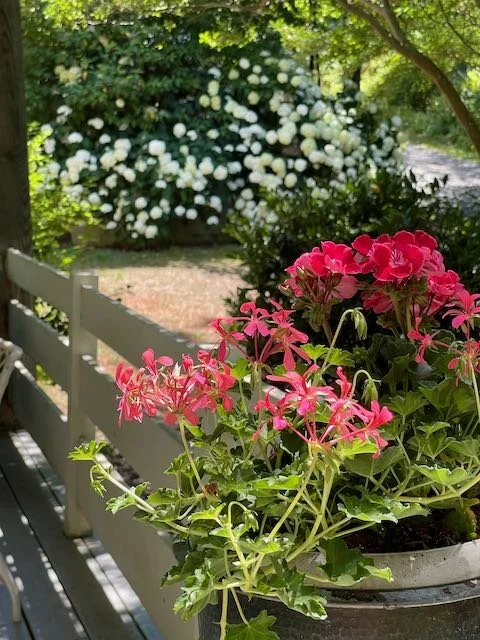
Plants are heroic. Respect and honor them.
String lights are basically mandatory at this point. I know, I know—everyone has them. But everyone has them because they work. Warm white, not those cold LED things that read parking garage. Install them properly, on support wires. Label the remote and give it a clear home inside. You do not want it getting lost and rained on.
But string lights don’t matter if they’re not illuminating something nice— they are not the end point!
Add layers. Solar path lights, lanterns, maybe a small fire pit if local codes allow. (Check your local codes). And provide thoughtful advice how to use the fire pit safely. Educating your guests is a big part of hosting.
The goal of lighting is to make the space usable after sunset. That's when your guests want to be out there with their Trader Joe's wine, living their best vacation life.
Greenery Without the Grief
Plants make everything better. This is objective fact, up there with "Paradise Lost was exhausting" and "adjunct pay is criminal."
Go native when possible. These plants already know how to survive in your climate without you hovering over them like a helicopter parent. Low-maintenance is the name of the game. You have fourteen other things to manage today.
Pots in varying heights create visual interest. Group them in odd numbers. Three or five, not four. (I don't make the rules; our human brains visual cortex just likes odd number grouping.) And yes, secondhand pots are everywhere—nurseries often sell their used containers cheap, and ceramic planters show up at every estate sale ever.
Herbs are brilliant if your space gets good light. Guests feel fancy snipping fresh basil for their pasta. It’s another “gift” that you only have to buy once a season.
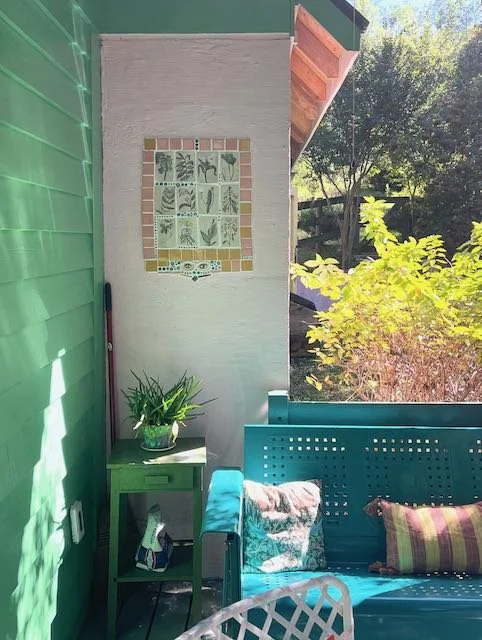
I made handmade tile of local plants for my covered porch. (I want to make tile and cover my entire world in them.)
Texture and Color Without Looking Like a Yard Sale
This is where you get to have some fun. Mix materials: metal, wood, fabric, ceramic. Matchy-matchy is for people who peaked in their HOA phase.
Color is personal, but I lean toward a neutral base, or a consistent color family running through the property, with pops of something vibrant. That way you're not committed to a coral-and-turquoise situation when those colors inevitably fall out of favor faster than you can say "millennial pink." Wait: Coral and turquoise are back in now.
Throw pillows, finally. Yes. But outdoor-rated fabrics only if they will take weather, and launder them often. Again, before the mildew starts. I replace my covers yearly. (Bonus points for making your own pillow cases out of used fabric).
Vintage finds add character that new big-box store items simply cannot match. That weathered metal side table, wooden crate you turned into a planter, and the ceramic garden stool from the '80s have lived lives. They have stories. And they didn't require a container ship from overseas.
Bonus points for odd concrete statues, and not just of gnomes. I once heard about a concrete opossum— I never even saw it— and I can’t forget it.
The Little Things Mean Alot
A small side table is crucial. Where else will guests put their drinks— On the ground like animals?
Provide an outdoor blanket or two in a weather-proof basket. Evenings get cool, and guests will take your throw blankets outside— keep some that are easy to wash by the door, so they don’t grab your bed blankets.
If you have the space, a small outdoor dining table changes the game entirely. Guests will cook. Guests will linger. Guests will leave you glowing reviews. Estate sales are absolutely lousy with solid wood outdoor dining sets that people are practically giving away.
Outdoor grill? Very helpful! Try a small Komodo style grill for a small-but-mighty upgrade. They barely use any charcoal, or you can even use scrap wood to fuel them.
Keep bug spray and citronella candles somewhere accessible. Mosquitoes are the great equalizer, and nobody's vacation fantasy includes welts. Throw a bottle on sunscreen next to the bug spray, while you’re at it.
Maintenance: The Unglamorous Truth
Style means nothing if your space looks like it's been abandoned since the Clinton administration. Sweep regularly. Wipe down surfaces. Check for wasp nests. Replace burned-out bulbs.
Do a proper seasonal deep-clean: wash cushions, scrub furniture, refresh plants. I schedule these like I scheduled office hours back in the day—reluctantly but consistently.
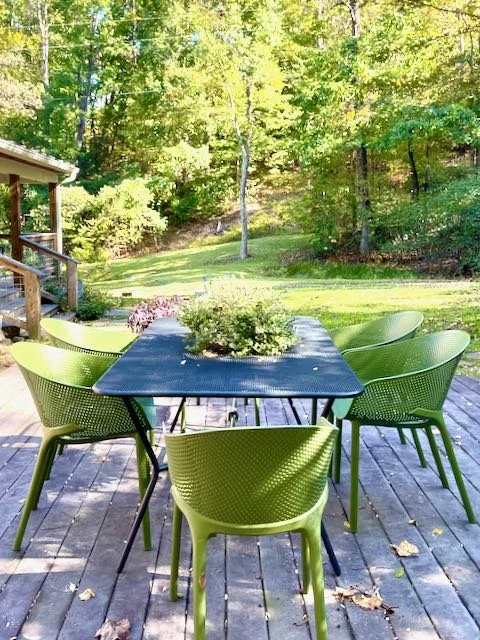
Snagging high quality pieces used is one of the business secrets of the pharaohs.
Keep an eye out for wear and tear. String lights burn out, cushions fade, paint chips. Stay ahead of it or your carefully styled space becomes a liability instead of an asset. I never thought I would be this person, but a leaf blower is mighty handy for an Airbnb owner. Just choose electric instead of gas.
And the beautiful thing about quality vintage furniture is that it has already proven it can last. You're just continuing its story instead of contributing to the disposable furniture economy.
The Real Point
Here's what I learned after leaving academia and diving into this chaos: hospitality is about creating spaces where people feel genuinely welcome. Not impressed in some performative way, but actually comfortable. They could exist there. A great stay gives your guest a taste of a different version of their life. I love offerring that on our farm. It’s not an accurate depiction of a life— their experience is far cleaner, doesn’t have chores involving animal leavings, and there are no snakes in their house. But they do get to spend time in nature, and that is a true and beautiful part of our real life, too.
Your outdoor space should feel like an extension of that welcome. A place where someone wants to spend time, not just photograph for the 'gram and ghost.
And if you can create that welcome while keeping furniture out of landfills and reducing your environmental footprint? Even better. Turns out you can care about hospitality and the planet at the same time. Radical concept, I know.
Style it well. Make it functional. Keep it maintained. Hit up some estate sales this weekend. Let’s use our rentals as an opportunity to be mindful, and to model ways of living that can make a difference.