Winter-Ready Rentals: The Essential Guide to Snow Preparedness for Short-Term Rental Hosts
Winter can be your most profitable season—or your most stressful. The difference comes down to preparation. Whether you're hosting at a ski resort (like Wintergreen, here in Central Virginia), managing a rural mountain retreat, or running an urban rental that sees occasional snow, having the right systems in place means the difference between five-star reviews and emergency maintenance calls at 2 AM.
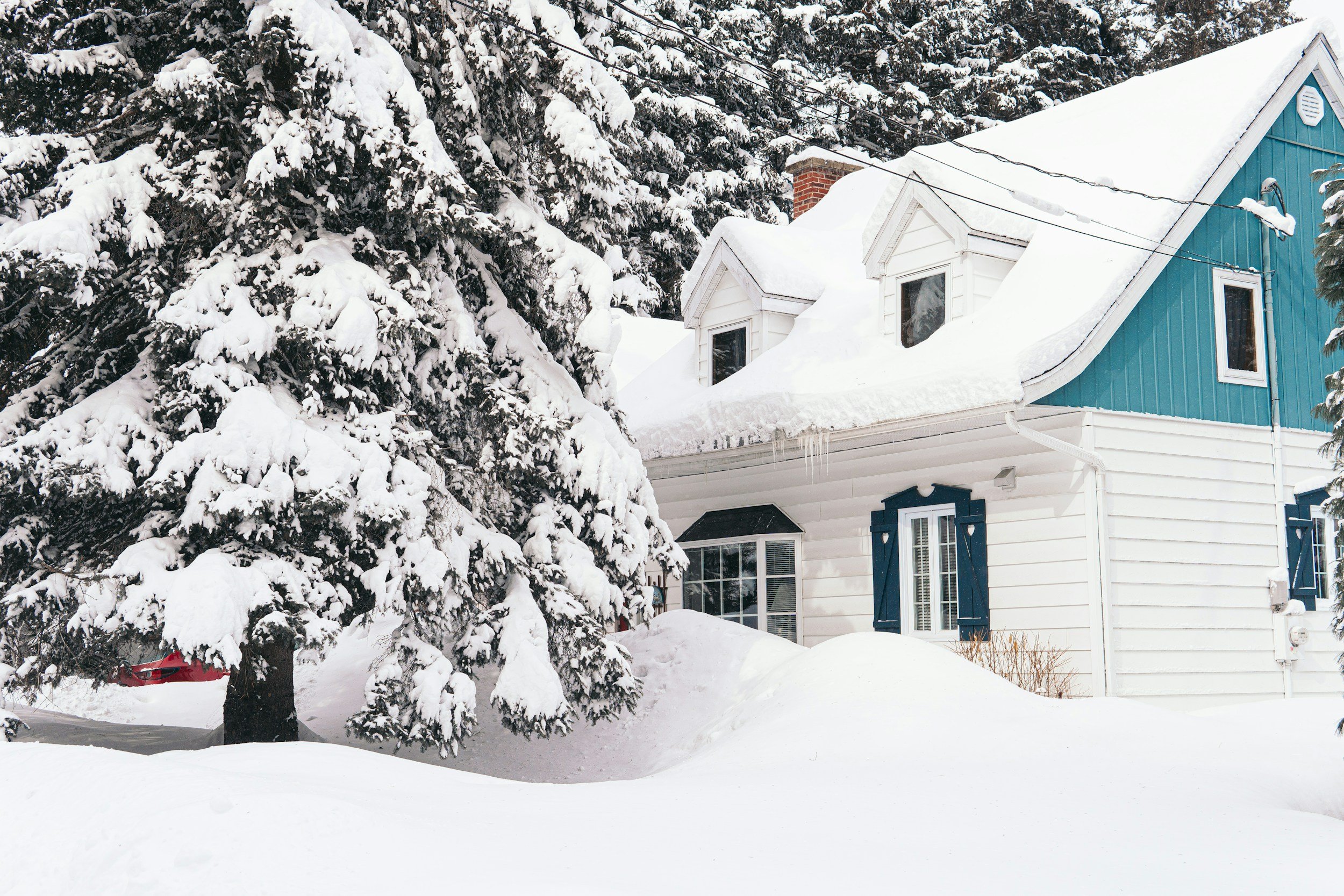
Snow can make or break a vacation: Preparedness on the host’s part can make a snowy trip a memorable and magical experience.
Why Snow Preparedness Matters for Your Bottom Line
When guests book a winter stay, they're imagining cozy fires and snow-dusted views—not impassable driveways, frozen pipes, or being stranded without supplies. A single snow-related incident can tank your reviews, trigger cancellations, and cost you thousands in emergency repairs. But hosts who prepare well don't just avoid disasters—they create experiences that generate glowing reviews and repeat bookings.
Winter guests have specific expectations, and meeting (and exceeding) those expectations during challenging weather separates professional hosts from amateurs.
Read on for valuable specifics that will help you shine as a host, in resort, rural, or urban settings.
Ski Resort Properties: The Wintergreen Model
Properties near ski resorts (like Wintergreen in Virginia's Blue Ridge Mountains) face unique winter challenges and opportunities. Unlike northern and western resorts, where natural snow won’t phase your guests, southern resorts cater to clients who may only regularly encounter snow on the slopes, coming out of machines. “Real” snow may conjure a larger emotional response for them, and southern civic government doesn’t always have a robust winter weather response team. Your guests are arriving specifically for winter conditions, which means they have high expectations for accessibility and amenities—but they're also more understanding of weather-related challenges than summer guests would be.
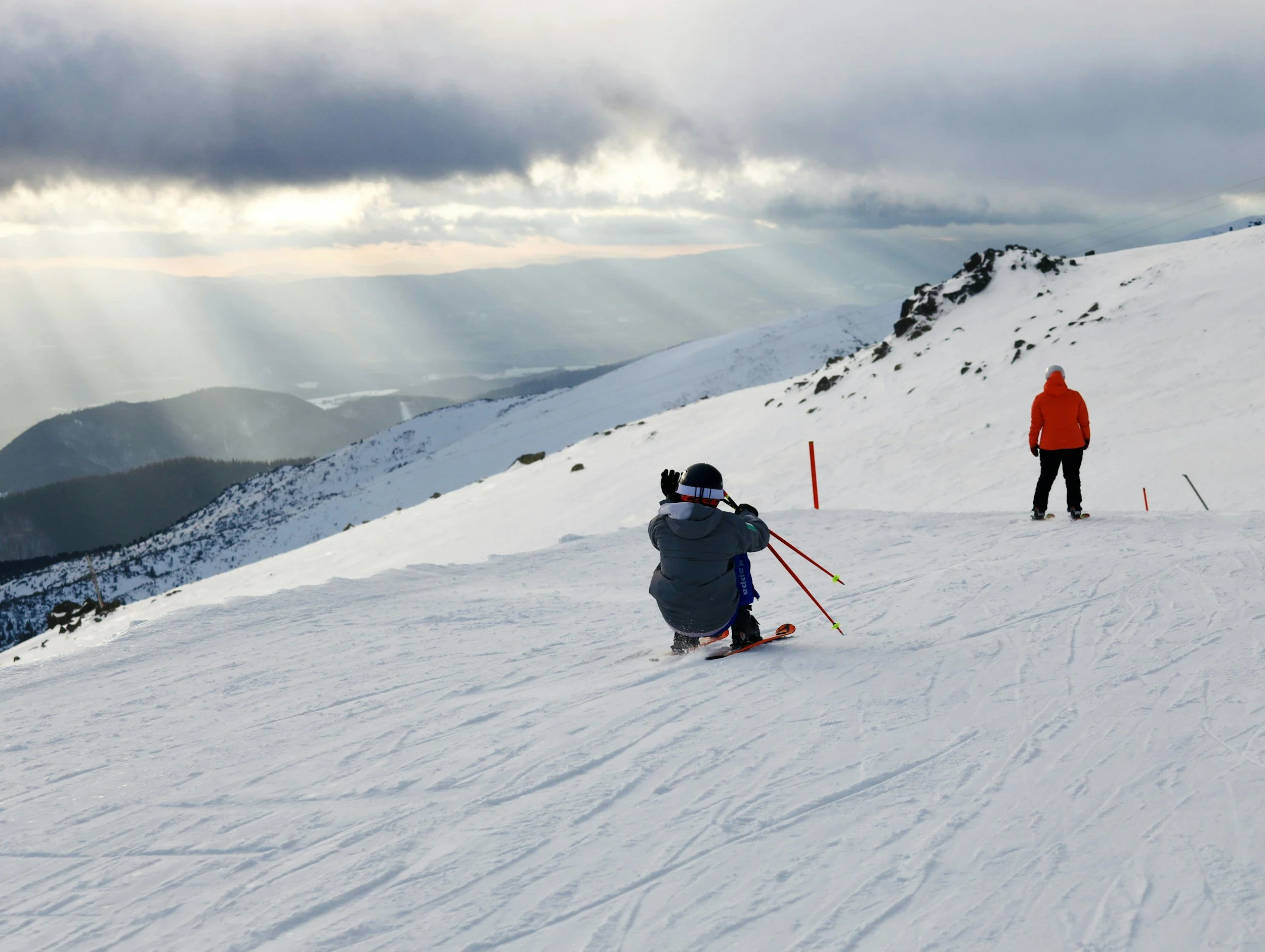
They want to be on the slopes: help them get there safely.
Pre-Season Preparation for Resort-Adjacent Properties
Access is Everything: Before the season starts, walk your property's access route at least twice. Identify steep sections, tricky turns, and areas where ice commonly forms. Document these and create a detailed access guide for guests that includes:
Whether 4WD/AWD is required or recommended
Specific trouble spots and how to navigate them
When to arrive (daylight hours strongly recommended)
Alternative parking if conditions worsen
Your plan for snow removal and realistic timelines
Communication Protocol: Establish relationships with multiple snow removal services before the season. Resort-area contractors get slammed during storms—having a backup can save a booking. Set clear expectations with your service about response times and priority level.
The Mountain Challenge: Many properties also deal with microclimates—one area might have perfect conditions while your access road is an ice rink, or vice versa. Monitor hyperlocal conditions, not just resort reports. Invest in a weather station at your property if possible, or establish a relationship with a neighbor who can give you real-time conditions.
Essential Amenities for Ski Resort Guests
Your mudroom or entryway becomes mission-critical during ski season:
Boot trays, racks, and maybe even boot dryers
Multiple levels of hooks for wet gear
Bench seating that can handle wet, heavy use
Waterproof flooring that extends well into the entry
Extra towels specifically for gear and boots
Large capacity washer/dryer (guests need to dry gear overnight)
Heated tile or mat in entry area if budget allows
The Gear Storage Reality: Ski families arrive with an astonishing amount of equipment. You need dedicated, organized space for skis, poles, helmets, goggles, and layers upon layers of outerwear. A family of four on a ski trip brings more gear than a family of six on a beach vacation.
Stock supplies that ski guests specifically need— you can make your welcome basket shine:
Hand warmers and toe warmers
Extra ski socks (guests always forget enough pairs)
Chapstick and lotion (altitude + cold = dry skin)
Plastic bags for wet clothes
Information about rental shops, ski school, and resort amenities
Local trail maps and conditions hotlines
Rural Properties: When You're on Your Own
Rural properties face the most challenging winter conditions—you're often dealing with longer access roads, no municipal snow removal, unreliable power, and limited emergency services. Preparation isn't optional; it's existential.
Access and Escape Routes
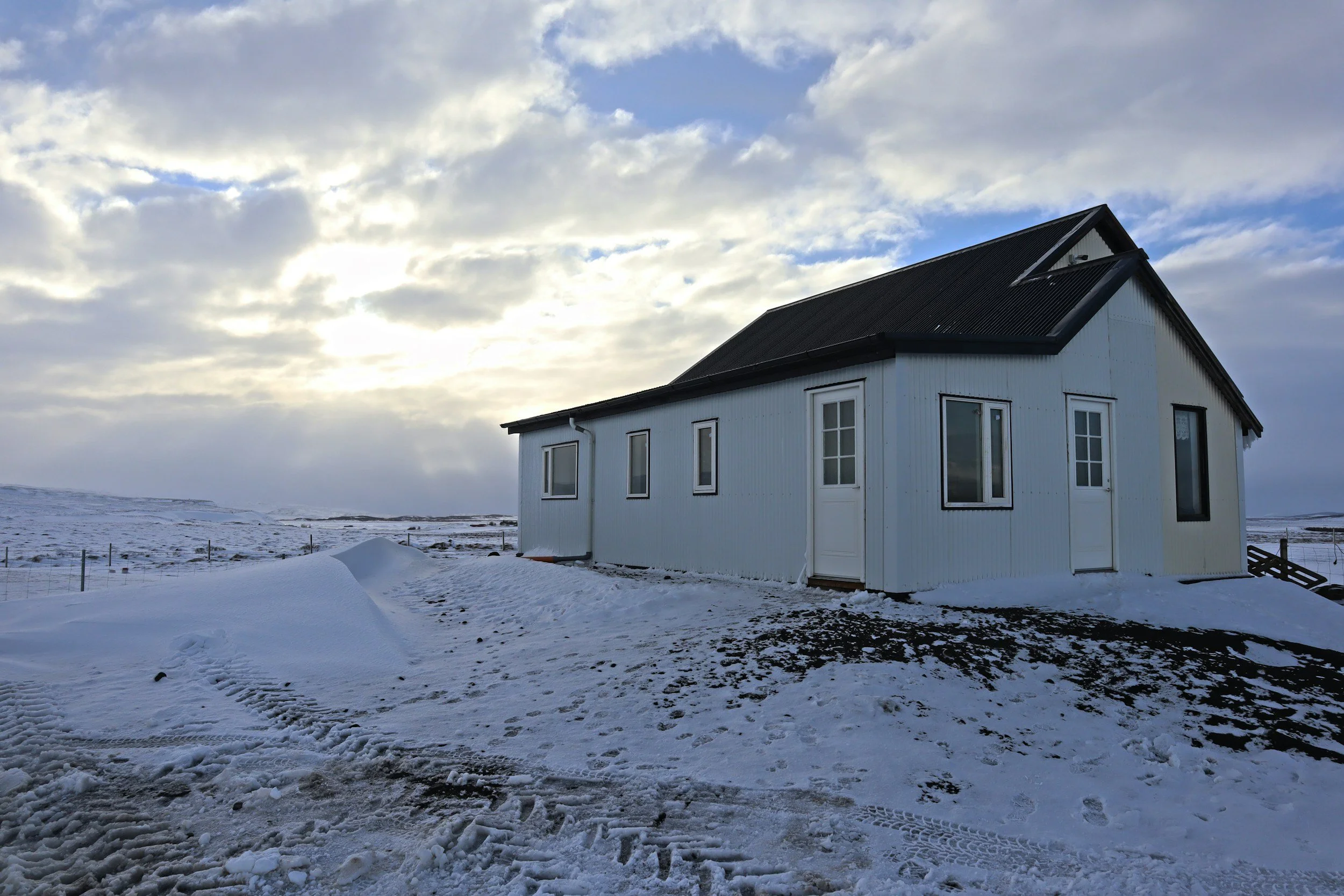
For rural Airbnb hosts, winter storm preparation isn't optional; it's existential.
The Long Driveway Dilemma: If your property sits at the end of a quarter-mile or longer driveway, you need a comprehensive snow removal strategy that accounts for the reality that commercial services may take 24-48 hours to reach you after a major storm.
When Snow Removal Isn't Possible: For some rural properties, complete snow removal simply isn't feasible during or immediately after major storms. The key is crystal-clear communication about expectations. Let guests know upfront what winter access looks like at your property.
At our own rental, we're transparent with guests: during heavy snow, they may need to park down the road and walk up to the property. We set this expectation clearly in our listing and pre-arrival communications, provide detailed guidance on where to park, and emphasize bringing appropriate footwear. What could feel like an inconvenience becomes part of the adventure when guests know what to expect. Many of our reviews mention the magical walk through fresh snow to reach the cabin—it becomes a memorable part of their experience rather than an unwelcome surprise.
Options for properties where snow removal is feasible:
Year-round contract with local farmer or neighbor with tractor
Backup arrangements with multiple providers
Your own walk-behind snowblower, or ATV with plow attachment stored on-site
Realistic guest communication: "Snow removal typically within 24 hours of storm end"
Document Everything: Create a visual guide with photos showing the driveway in various conditions. Mark the edges clearly with reflective posts before winter—guests (and plows) need to see where the driveway actually is under snow.
The Turn-Around: Properties with long driveways need a clear turnaround area that is maintained as religiously as the driveway itself. Guests stuck at your property because they can't turn around will not leave good reviews.
Power Outages: Plan for When, Not If
Rural properties lose power in winter storms. Your preparation checklist:
Heating Backup:
Propane or wood-burning fireplace/stove with ample fuel on-site
Generator with fuel supply (propane generators are more reliable in extreme cold)
Electric space heaters as backup (but see power considerations)
Clear instructions for operating all heating systems
Power Solutions:
Whole-house generator is ideal but expensive
Portable generator that can run essentials (fridge, one heating source, some lights)
Battery backup for critical systems
Solar charging options for phones
Communication Systems:
Landline phone if available (cell towers often fail in outages)
Detailed emergency contact list posted prominently
Battery-powered or hand-crank radio
Flashlights and lanterns throughout (with fresh batteries)
Water Considerations:
Well water requires power—store drinking water, and warn guests in advance. City guests may not understand that electrical outages mean no electricity AND no water.
Gravity-fed water systems can work during outages
Instructions for shutting off water if power will be out extended period
Space heaters near pipes in crawl spaces (if generator can support)
The Supply Stockpile
Rural winter guests can become stranded. Your property should have:
3-5 days of non-perishable food basics (pasta, rice, canned goods, coffee, tea)
Paper products and toiletries backup
First aid kit that goes beyond the basics
Ice melt and sand/kitty litter
Multiple snow shovels
Firewood (more than you think necessary)
Candles and matches
Battery banks for charging devices
Basic tools
Duct tape (fixes everything temporarily)
The Communication Strategy: For rural properties, over-communicate before arrival. Send a detailed email 48 hours before check-in that includes:
Current road conditions
Weather forecast
What supplies to bring
Recommended arrival time
Emergency contacts
What to expect if power goes out
Urban and Suburban Properties: Different Challenges
Urban properties rarely face the isolation risks of rural locations, but they have their own winter challenges that impact guest experience.
The Parking Problem
Snow removal in cities often means snow piles that eliminate street parking for days. Your guests need to know:
Where they can legally park during snow emergencies
What "alternate side parking" or snow routes mean for your location
Whether you have dedicated parking and how it's maintained
Public transit options if driving becomes impractical
Where the nearest parking garage is and what it costs
Walkway Liability
Urban hosts have greater liability for slip-and-fall accidents because municipal codes typically require sidewalk clearance within specific timeframes. You need:
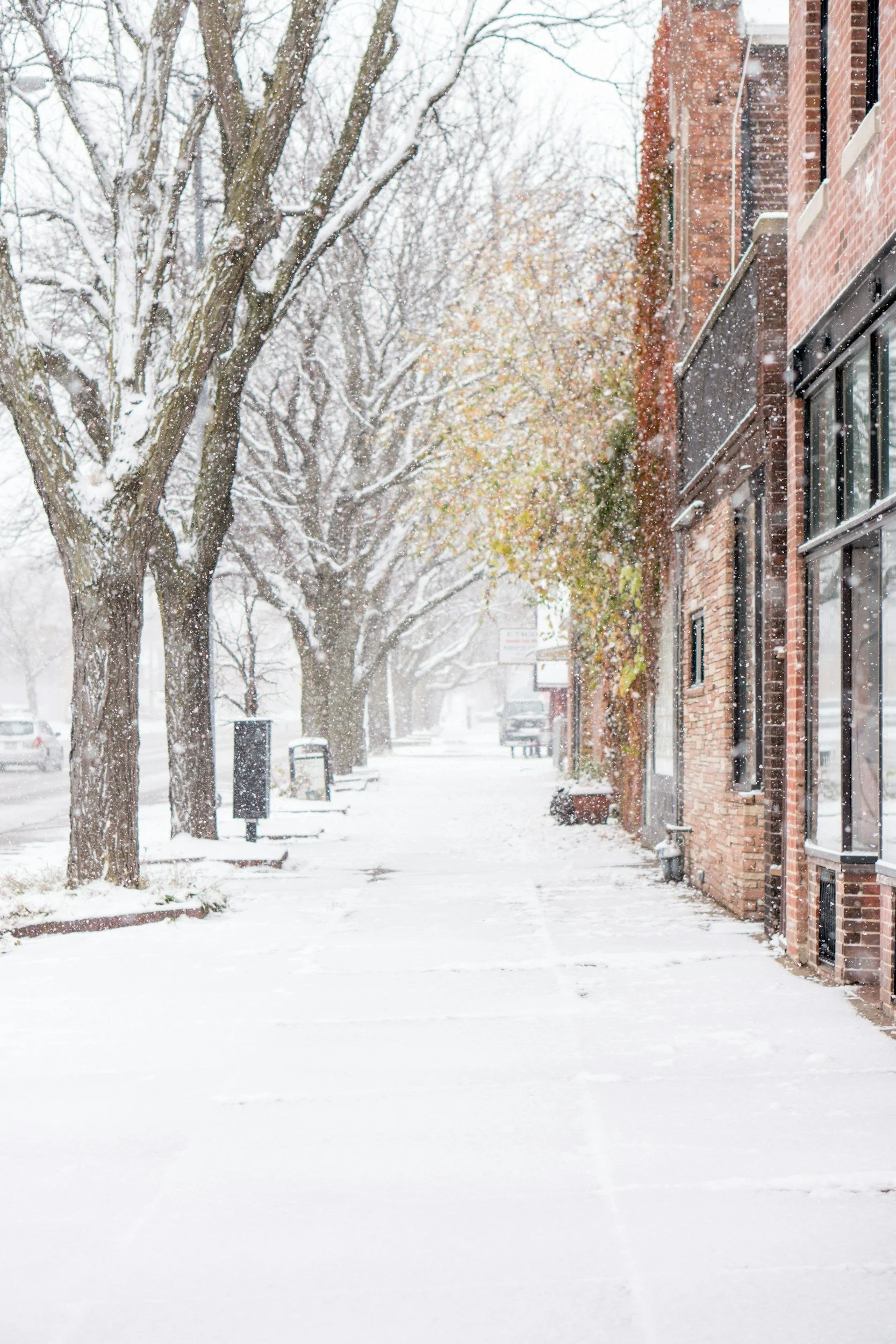
Snow in the city brings its own challenges to the short term rental host.
A snow removal service with guaranteed response times
Eco-sensitive ice melt alternatives (calcium magnesium acetate, beet juice blends, or sand/traction grit) that are safer for pets, plants, and waterways than traditional rock salt
Backup plan (neighbor, property manager, or yourself) if service fails
Clear documentation of your removal efforts
Adequate insurance coverage
The Utilities Advantage
Urban properties benefit from faster utility restoration and municipal services, but you're also more vulnerable to heating system failures because alternative heat sources are often unavailable (no wood stoves in most city apartments). Your backup plan needs to be different:
Space heaters as backup (but know your electrical capacity)
Relationship with 24-hour HVAC service
Clear instructions for guests on thermostat operation
Insulation checks before winter (windows, doors)
Supply Accessibility
Urban guests can usually reach stores, but they may not know the area. Provide:
List of nearest 24-hour stores and pharmacies
Delivery service recommendations
Snow-specific supplies on hand (eco-friendly ice melt options like calcium magnesium acetate or sand, scraper, small shovel for cars)
Transportation alternatives during storms
Universal Snow Preparedness Essentials
Regardless of your property type, every winter rental needs these fundamentals:
Pipe Protection
Frozen pipes are the most expensive winter disaster. Prevention:
Insulate all exposed pipes
Heat tape on vulnerable pipes
Instructions for guests to leave cabinet doors open during extreme cold
Slow drip instructions for severe cold snaps
Know where your main shut-off is (and make sure guests do too)
Winterize any outdoor spigots
Heating System Maintenance

A good coat is a good start, but every short term rental hosts needs to go above and beyond to prepare for weather related events.
Schedule professional HVAC inspection before winter. Check:
Furnace/heating system efficiency
Air filter replacement
Thermostat accuracy
Backup heating sources functionality
Carbon monoxide detectors (critical with any combustion heating)
Guest Communication Templates
Create templates for various winter scenarios:
Storm approaching (sent 48 hours before)
Active storm conditions (current status updates)
Post-storm recovery (when services will resume)
Emergency situations (power outage, impassable roads)
The Winter Guidebook Addition
Your property guidebook needs a winter supplement:
How to operate all heating systems
What to do if power goes out
Snow removal schedule and expectations
Emergency contacts (with backup numbers)
Where supplies are located
Local road condition hotlines
Nearest hospital/urgent care
What's normal (ice on windows, heating sounds, etc.)
Insurance and Liability Considerations
Review your insurance policy specifically for winter coverage:
Pipe freeze coverage and requirements
Liability for slip-and-fall on your property
Loss of income if property becomes inaccessible
Requirements for heat maintenance and monitoring
Consider remote monitoring:
Smart thermostats that alert you to temperature drops
Water leak sensors in vulnerable areas
Security cameras to verify snow removal completion
Smart locks (though have manual backup—batteries die in cold)
The Guest Experience Opportunity
Winter preparedness isn't just risk management—it's an opportunity to create memorable experiences. Guests who feel safe and cared for during challenging weather become your best advocates.
The Welcome Touch: Stock winter comfort items that go beyond basics:
Hot chocolate and marshmallows
Ingredients for s'mores (if fireplace)
Extra cozy blankets (beyond what bedrooms need)
Board games and puzzles for storm days
Candles for ambiance (and emergencies)
Local winter activity guides
The Communication Win: Proactive communication during winter storms earns loyalty. A text saying "Driveway will be plowed by 2 PM, let me know if you need anything" transforms anxiety into appreciation.
The Review Payoff: Guests who weather a storm at your property and feel well-cared-for write your best reviews. They tell stories about how prepared you were, how well you communicated, how safe they felt. These reviews book your property for years.
The Pre-Winter Checklist
Six weeks before winter:
Schedule HVAC inspection
Test all heating systems and backups
Confirm snow removal contracts
Stock emergency supplies
Check/replace weather stripping
Insulate vulnerable pipes
Update winter guidebook section
Test remote monitoring systems
Review insurance coverage
Create communication templates
Stock winter comfort items
Mark driveway edges
Verify emergency contacts
Final Thoughts
Snow preparedness feels overwhelming until you systematize it. Start with the basics—reliable heat, clear access (or clear communication about access limitations), good guest communication—and build from there. Every winter season teaches you something new about your property and your guests' needs.
The hosts who thrive in winter aren't necessarily in the best locations or with the biggest budgets. They're the ones who prepare thoroughly, communicate proactively, and treat winter challenges as opportunities to demonstrate their commitment to guest experience.
Winter guests remember how you made them feel when things got difficult. Make sure they remember feeling safe, informed, and cared for—and they'll be back next year.