Why You Can’t Have a Stand-Alone Airbnb in Charlottesville, VA
If you’ve ever dreamed of buying a little bungalow in Charlottesville and turning it into a full-time Airbnb, you’re not alone. Unfortunately, Charlottesville’s zoning and homestay rules don’t allow stand-alone short-term rentals — at least, not in most residential areas. Here’s why.
The City’s Definition: “Homestay,” Not “Investment Property”
Charlottesville doesn’t actually use the term Airbnb in its ordinance — it uses “homestay.”
A homestay means renting out all or part of your primary residence for fewer than 30 consecutive days.
That’s the key: you must live there.
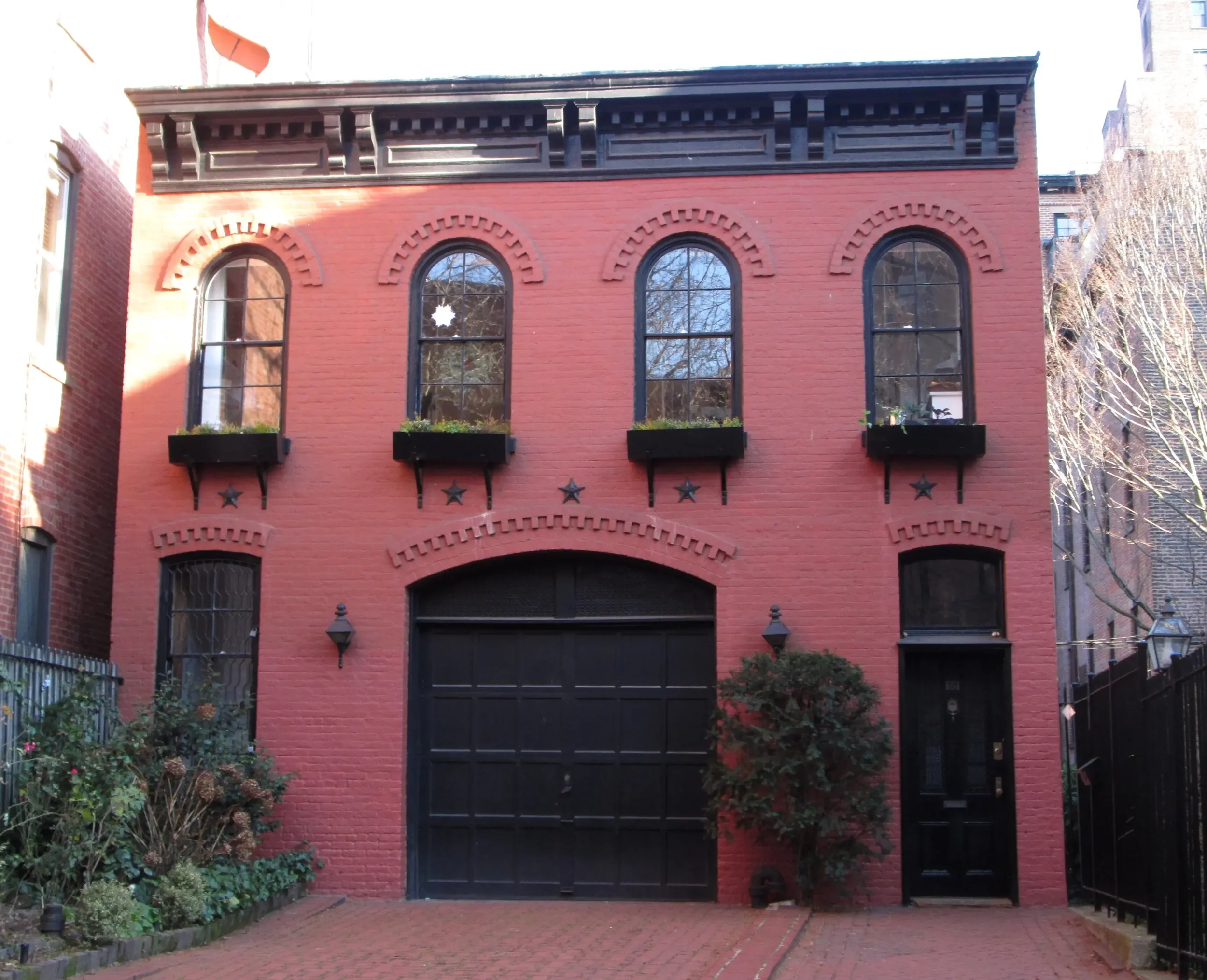
You’ll need to live in part of the building, or it can be an ADU, to host in Cville.
The rules are designed so that short-term rentals remain an accessory use of a home — not a replacement for it. In other words, if you don’t live in the house at least 185 days a year, it’s not a homestay, and you can’t rent it short-term.
Zoning Protects Residential Neighborhoods
Charlottesville’s zoning code was written to maintain the character of its residential areas — quiet streets, stable housing, long-term neighbors.
If the city allowed every homeowner (or investor) to turn properties into mini-hotels, neighborhoods could quickly fill with transient visitors instead of residents. That could cause:
Noise, parking, and trash issues
Fewer long-term housing options (as homes are converted to STRs)
Rising housing costs due to speculative investment
To prevent that, the city only allows homestays in residential zones where the owner actually lives on the property. A stand-alone Airbnb — meaning the owner isn’t present — would count as a commercial lodging use, which isn’t permitted in those zones.
The Business & Tax Side
Because short-term rentals are treated as a home-based business, operators must:
Have a Homestay Permit from Neighborhood Development Services, and
Maintain a business license with the Commissioner of the Revenue.
Those permits only apply to owner-occupied properties. A separate, non-occupied property would require hotel or lodging zoning, which typical residential lots don’t have.
It’s About Balance
Charlottesville wants to support tourism and the local economy — after all, it’s a popular destination with UVA, wineries, and historic sites.
But it also wants to protect housing for full-time residents and keep neighborhoods livable.
By requiring that the host live on-site, the city strikes a balance: residents can earn income, visitors get local experiences, and neighborhoods stay stable.
So What If You Try Anyway?
Operating a stand-alone Airbnb without meeting the residency requirement is a zoning violation.
The city can:
Revoke your homestay permit,
Fine you for operating without proper authorization, and
Require you to remove the listing.
Some hosts have been cited after neighbors complained or code inspectors found unpermitted rentals online.
The Bottom Line
You can rent your home in Charlottesville short-term — but only if it’s your primary residence.
You can’t buy a separate property just to use as an Airbnb unless it’s zoned and permitted as a commercial lodging business (which is rare and usually limited to specific mixed-use or commercial zones).
Charlottesville’s approach keeps housing available, neighborhoods peaceful, and visitors welcomed — as long as the host is truly part of the community.