The Ineffable and the Practical: What Actually Goes Into an Extraordinary Five-Star Stay
There is a particular kind of guest review that every host recognizes and secretly covets — not the ones that catalog your amenities like a checklist, not the ones that simply report clean, comfortable, convenient as though they're filling out a survey, but the ones that reach for language the guest wasn't quite prepared to need. The ones that say things like we didn't want to leave or it felt like someone had thought of everything or it was So Magical, or my personal favorite, I'm not sure how to describe it, but the place just felt right.
That last one is the most honest, because the guest is telling you something true: they don't actually know what made the experience extraordinary, only that it was. And if you ask most hosts what separates a five-star stay from a four-star one, you'll get answers that are similarly approximate — better communication, nicer linens, a good location. True enough, but incomplete in the way that saying a great meal comes down to fresh ingredients is technically accurate while missing almost everything that matters.
The extraordinary stay is not a mystery, exactly. But it is the result of decisions made at a level of granularity that most hosting advice never reaches, a layering of the practical and the ineffable that is less a formula than a sensibility — and that sensibility, I've come to believe after 14 years of hosting and watching other hosts, is something that can absolutely be cultivated.
It Begins Before They Arrive
The five-star stay doesn't start when the guest walks through the door. It starts the moment they book, in the tone and texture of whatever communication they receive from you first. A confirmation message that is warm and specific and written by an actual human being — one that mentions their names, acknowledges where they're coming from if you know it, and gives them something to look forward to — is already doing the work of the review they haven't written yet.
What guests are doing in the days between booking and arrival, whether they realize it or not, is building an expectation of you as a host. Every touchpoint in that window is either confirming or complicating that expectation. The automated message that arrives at 3am with a wall of bullet points and a subject line that reads BOOKING CONFIRMATION #47382 is telling them something about the experience that awaits them, and what it's telling them is not particularly warm.
The pre-arrival message — sent at a reasonable hour, a day or two before check-in — is one of the most underutilized tools in a host's repertoire. Not because it delivers information (though it should, gracefully, in the order the guest will actually need it), but because it sets a tone. It says: I have been thinking about your arrival. I am ready for you. Here is everything you need, and I have tried to anticipate the questions you might have before you knew to ask them. A guest who arrives already feeling cared for is a fundamentally different guest than one who arrives with low expectations and a list of things to worry about.
The First Thirty Seconds
Walk into your space as though you have never seen it before and you have been traveling for six hours.
This is harder than it sounds, because familiarity is the enemy of perception, and most hosts have long since stopped actually seeing their own spaces. But the first thirty seconds of a guest's arrival are doing an enormous amount of work — the temperature of the air, the quality of the light, the smell, the immediate sight line from the front door, the sense of whether the space feels open or crowded, welcoming or merely functional. All of this lands in the guest's nervous system before a single conscious thought has been formed about it.
Smell is the detail I return to most often with the hosts I work with, because it is both the most powerful and the most overlooked. A space that smells clean and faintly, pleasantly of something — not the aggressive announcement of a plug-in air freshener, but the quiet presence of a diffuser with a considered scent, or a candle that has been burned and extinguished a few hours before arrival — signals care in a way that bypasses language entirely. It is processed emotionally before it is processed intellectually, which means it is shaping the guest's experience before they have any conscious framework for what they're responding to.
The light matters in a similar way. A space that guests arrive to find fully lit — warm bulbs, lamps on rather than overheads, maybe a single accent light drawing the eye to something worth looking at — communicates that someone has prepared for their arrival specifically, not just cleaned and left. It is the difference between walking into a room and walking into a welcome.
The Design That Doesn't Announce Itself
There is a version of short-term rental design that is trying very hard, and guests can feel it. The space that has a shiplap accent wall and a neon sign and a gallery wall of inspirational typography and a basket of locally sourced snacks labeled with a custom tag is a space that is performing hospitality rather than offering it, and sophisticated guests — which is to say, guests who have stayed in enough places to have calibrated taste — will sense the performance even if they can't name it.
The design of an extraordinary stay is, paradoxically, design that recedes — that creates a feeling without insisting on being noticed for it. It is a cohesive palette that gives the eye somewhere to rest. It is furniture that is scaled correctly for the room, which sounds basic and is apparently radical given how many STR spaces have a loveseat where a sofa should be and a dining table for four squeezed into a room that wants six. It is art that someone chose because they found it genuinely interesting rather than because it photographs well, which produces the delightful side effect that it also photographs well.
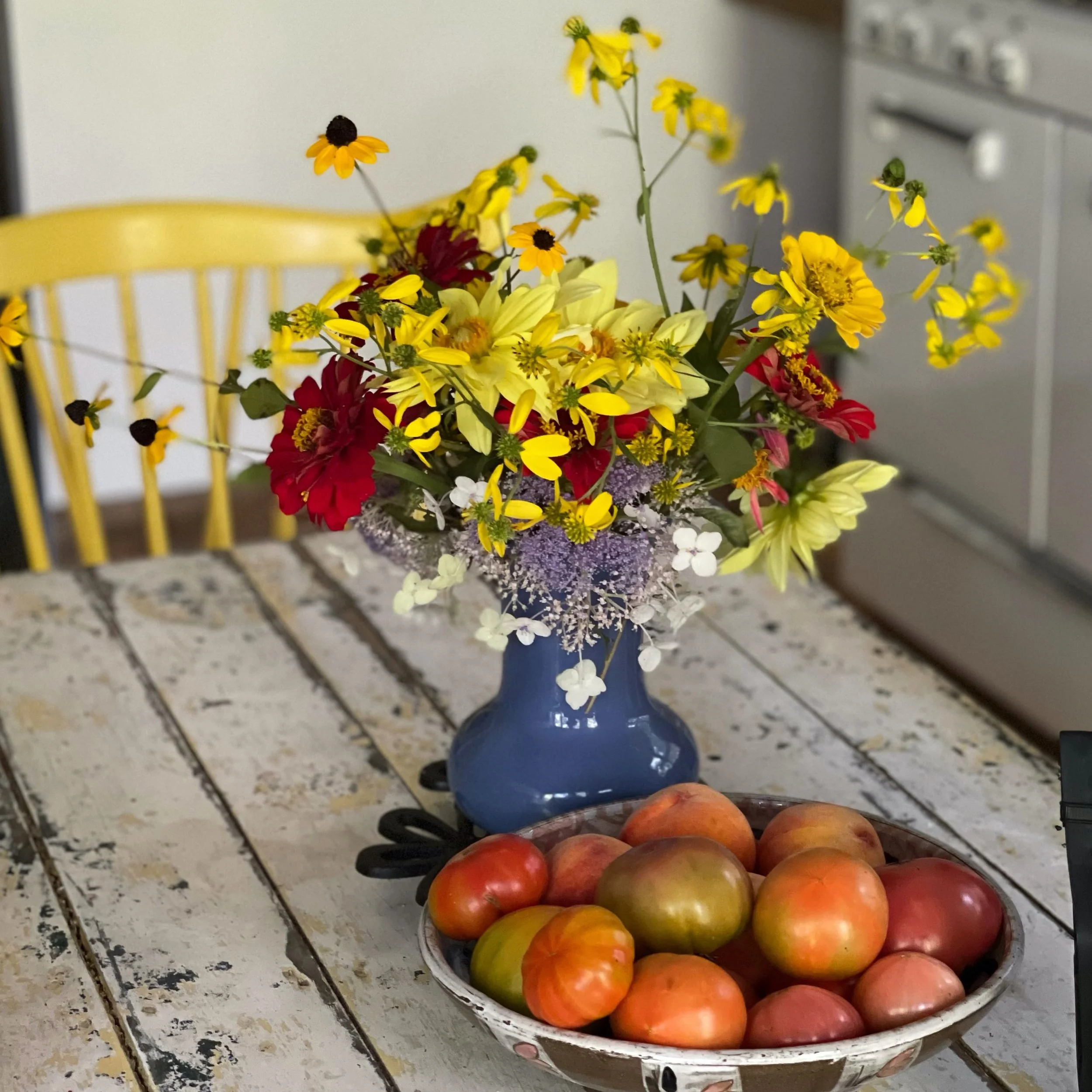
The specific objects that guests remember are almost always the ones with a little mystery or personality — the lamp that is clearly vintage and wonderful, the handmade ceramic bowl, the coffee table book that the guest actually picked up and read the back of. These are the details that make a space feel like it belongs to a person with taste rather than a brand with a checklist, and they are almost never expensive; they are the result of patience and a willingness to go looking for the right thing rather than settling for the available thing.
The Practical Alchemy of Comfort
Comfort is the foundation that everything else rests on, and its components are more specific than most hosts acknowledge.
The bed is the most important piece of furniture in the property and should be treated accordingly. Not merely adequate, not fine — genuinely, memorably comfortable, in the way that makes guests mention it in their reviews without being prompted. This means a mattress that is neither ancient nor so aggressively plush that it feels like sleeping in quicksand, topped with bedding that is smooth and cool and smells clean without smelling chemical. It means pillows in two firmnesses, and feather and poly, because guests have different preferences and this is an easy way to demonstrate that you've thought about it. It means a duvet weight that is appropriate to the season, which sounds obvious and apparently requires saying because the number of guests who have sweated through August under a winter duvet is too high to count.
Towels should be thick enough to feel luxurious and numerous enough that no one has to do arithmetic about what gets used when. The bathroom should have a mirror with good light, which is a detail that sounds minor until you've tried to apply mascara under a single overhead bulb. There should be more hooks than the guest thinks they'll need. These are small things, but they are the small things that accumulate into an experience that feels like it has been thought through by someone who has actually inhabited a body and knows what bodies need.
The kitchen, even in properties where full cooking is not the point, should have a coffee situation that doesn't require problem-solving at 6am. This is not about having a $600 espresso machine; it is about having a clearly organized system with everything in one place, filters that haven't run out, and a grinder if you're offering whole beans. Coffee at the start of the day is a moment of some emotional significance for the people who drink it, and making that moment easy and pleasant is a small investment with a disproportionate return.
Communication as Hospitality
The hosts who consistently earn the reviews that reach for language — the I don't know how to describe it but reviews — are almost always the hosts whose communication makes guests feel like individuals rather than occupants. This is not about volume of communication; it is about quality and timing and tone.
It means checking in on the first day with something light and genuine, not a scripted message but a real one: Hope the drive was easy — let me know if you need anything. It means responding to questions quickly enough that the guest never has a chance to spiral into frustration, and responding in a tone that is warm without being cloying. It means the checkout message that thanks them in a way that feels specific to them rather than copied from a template, that mentions something about their stay if you know anything about it.
And it means the house guide — the document or digital resource that answers the questions guests have before they know they have them — that is written in your actual voice rather than the voice of legal liability, that acknowledges the quirks of the space with honesty and lightness (the second burner runs a little hot; the garden gate sticks in the rain; the wifi router sometimes needs a restart and here is exactly how to do that without wanting to throw it), and that makes the guest feel oriented and cared for rather than managed.
The Thing That Ties It Together
What separates the extraordinary stay from the merely excellent one is not any single element but the evidence, everywhere, that a human being has thought carefully about what it feels like to be a guest in this particular place. It is the cumulative impression of a hundred small decisions, each of which could have been made with slightly less care, that together produce the feeling a guest struggles to articulate — the feeling that the space was made for them, even though it was made before they arrived.
This is the work that I find most endlessly interesting, and it is the work that no algorithm or automation can do for you. It requires the willingness to slow down and inhabit your guest's perspective with genuine curiosity — to walk through your front door with six hours of travel in your body and ask yourself what you need, and then to go and provide it.
If you're in the process of building that kind of space — or you have a space that is close but not quite there, or you're not sure which of the hundred details to attend to first — that's exactly the work I do with hosts in my one-on-one mentoring sessions. Not the spreadsheets, not the automations, but the part where you figure out what your space is trying to say and how to make it say it well. If you'd like to talk about it, I'd love to hear what you're working on. You can find me at hostwithelise.com, or book a free intro call and we'll start there.
The five-star review is waiting. It just needs someone to earn it thoughtfully.